Everything about rubber
Rubber is a material that is centuries old and used in many different applications. Nowadays, we practically cannot do without rubber. What is rubber? How is it applied? Everything you need to know about rubber can be read in this article.

On this page:

What is rubber?
Rubber is a material that is obtained naturally (natural rubber) and also manufactured by humans (synthetic rubber). The name "rubber" comes from the English verb "to rub," which means to rub. Rubber is used in many different ways, such as shoe soles, car tires, and rubber profiles for sealing windows and such.
The history of rubber
Where does rubber come from?
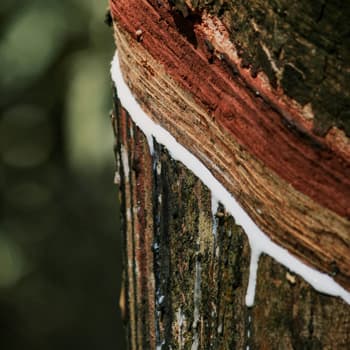
Rubber originally comes from rubber trees. The scientific name of the most important rubber tree is Hevea brasiliensis. This tree originates from the Amazon rainforest in South America but is now also cultivated in many other tropical regions, such as Southeast Asia and Africa.

How is rubber made?
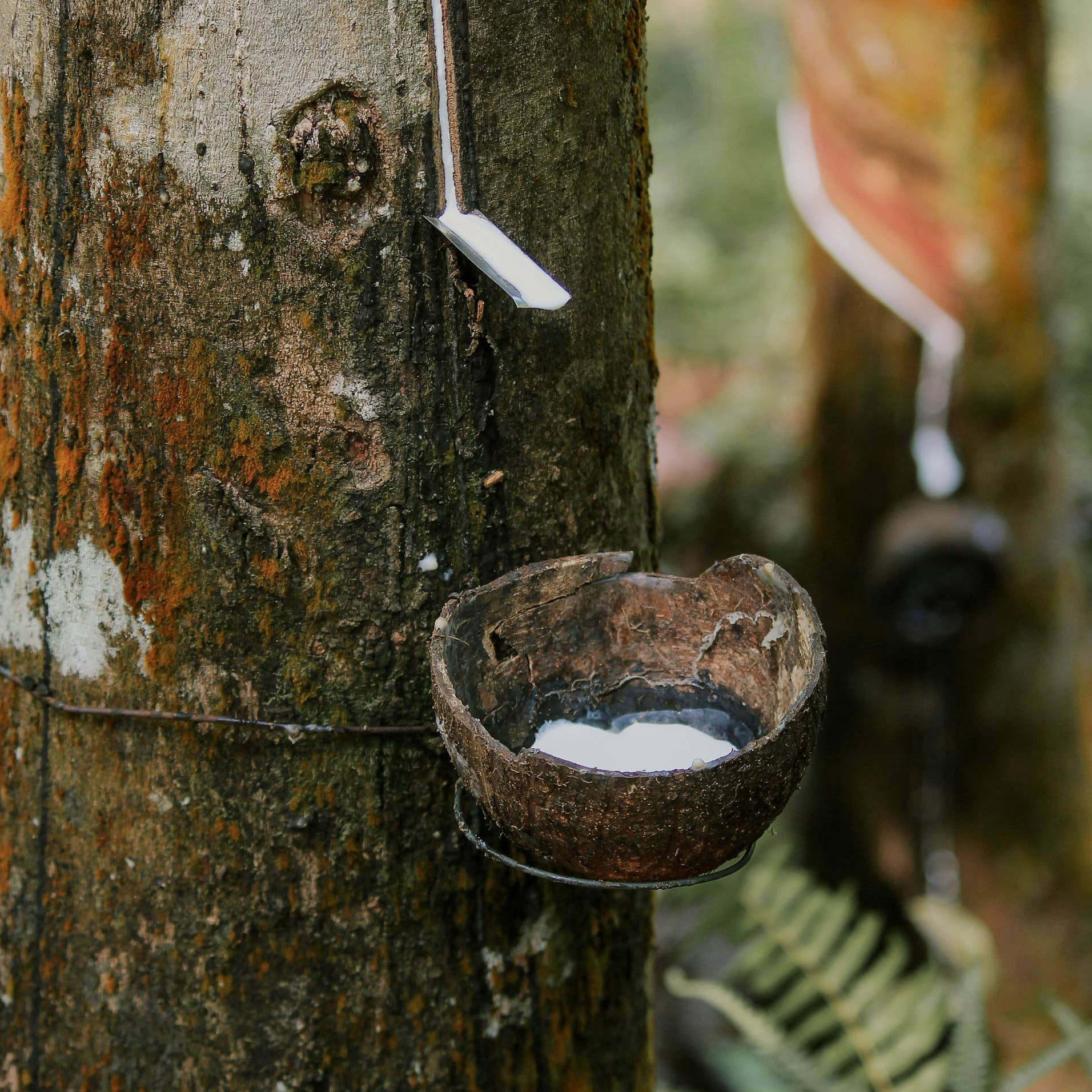
Rubber is extracted from the latex of the rubber tree. By making an incision or cut in the bark of the tree, the latex can drip out and be collected in containers. This raw latex is then processed to make natural rubber. There is also synthetic rubber, which is produced in laboratories and factories from petrochemical sources. Synthetic rubbers have different properties and applications depending on their specific chemical composition and production process. They were developed to compensate for shortages of natural rubber during certain historical periods (such as during World War II) and to produce rubbers with specific properties that cannot always be obtained from natural rubber.
Rubber at EKI
The different types of rubber
As mentioned earlier, rubber can roughly be divided into two main categories: natural rubber and synthetic rubber. However, both categories contain a variety of specific types with their own unique properties and applications.
Natural rubber
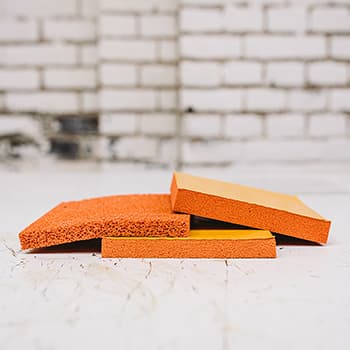
This is extracted from the latex of the rubber tree. It is also known as natural rubber. It has excellent mechanical properties; it is elastic, wear-resistant, soft, and resilient. We distinguish rubber from latex (para rubber), which is also called standard natural rubber. Natural rubber performs well in cold with a temperature range of -25°C to +80°C. It has high elasticity, tear resistance, and tensile strength. Although it is resistant to low temperatures, it is not well resistant to weather influences, making it less recommended for outdoor use.
Synthetic rubber
There are many types of synthetic rubber, each with its own specific properties and applications. At EKI, we mainly use synthetic rubber in our products. Below are some examples of the most common types and a brief explanation of what they are used for:
Styrene-butadiene rubber (SBR): The most commonly used type of synthetic rubber. It is often used in car tires.
Butyl rubber: Mainly used for inner tubes because of its low gas permeability.
Nitrile rubber (NBR): Known for its excellent resistance to prolonged contact with oils, often used in the oil and gas industry.
Ethylene propylene diene monomer (EPDM): Has excellent weather and ozone resistance. Often used in roofing and automotive seals.
Neoprene (polychloroprene): Has good chemical stability and remains flexible over a wide temperature range. Used for wetsuits, hoses, and conveyor belts.
Silicone rubber: Resistant to extremely high and low temperatures and is often used in kitchenware, medical devices, and insulation.
FKM rubber (also known as Viton): Known for its excellent chemical resistance, especially at high temperatures. Often used in the chemical industry and for seals in the aerospace industry.
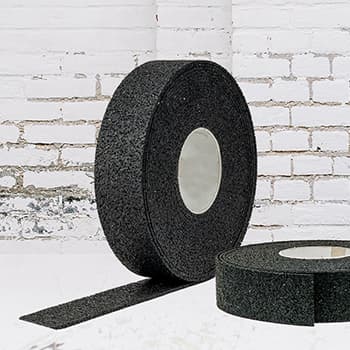
Granulate rubber: Made from recycled SBR rubber from granules. It is sound dampening and insulating. Used for, among other things, floor insulation.
Each type has its own specific set of properties that make it suitable for different applications. This selection of rubber is applied by EKI.
The applications of rubber
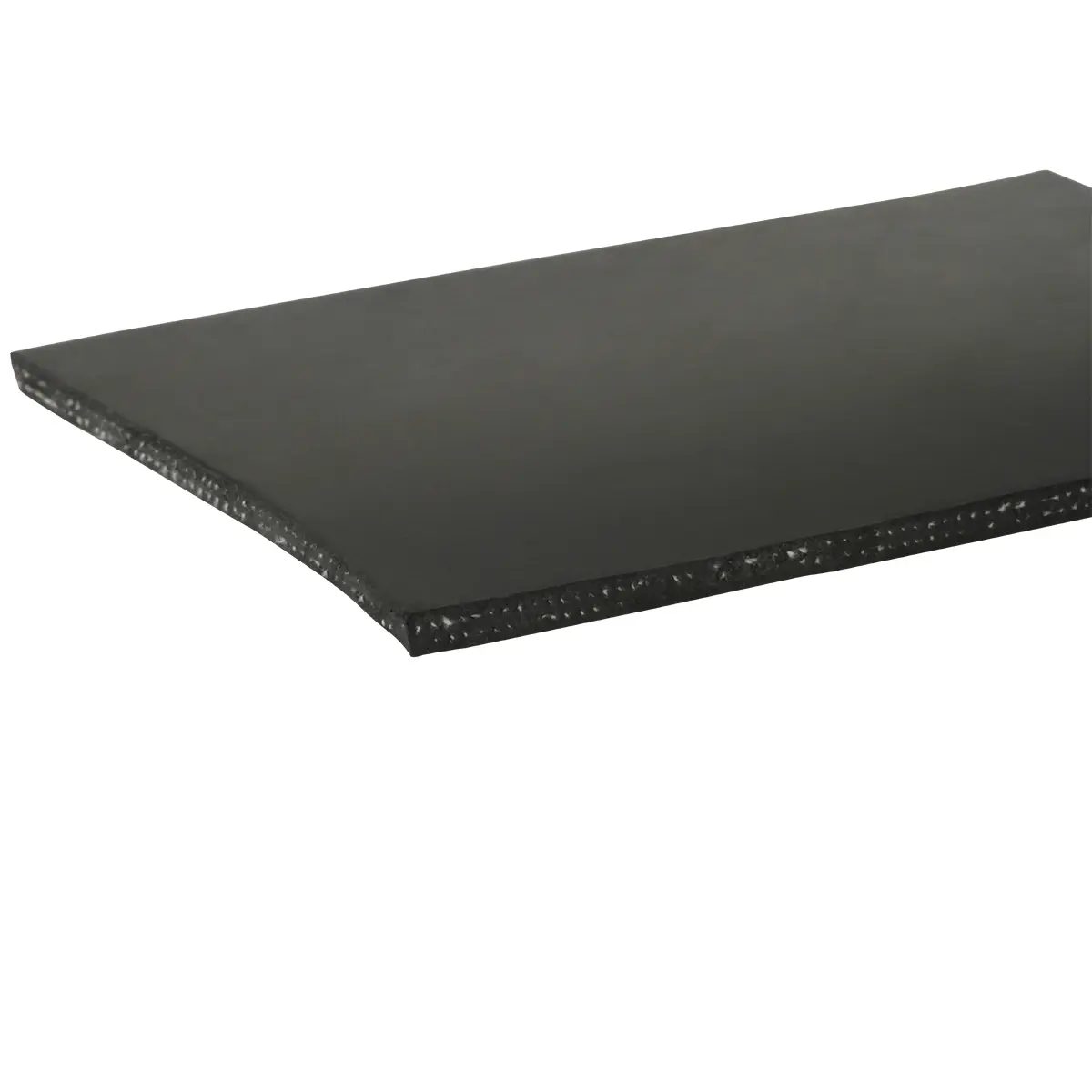
Rubber is a versatile material used in various products and industries. Thanks to properties such as elasticity, wear resistance, water resistance, and vibration damping, rubber is suitable for both everyday products and technical and industrial applications.
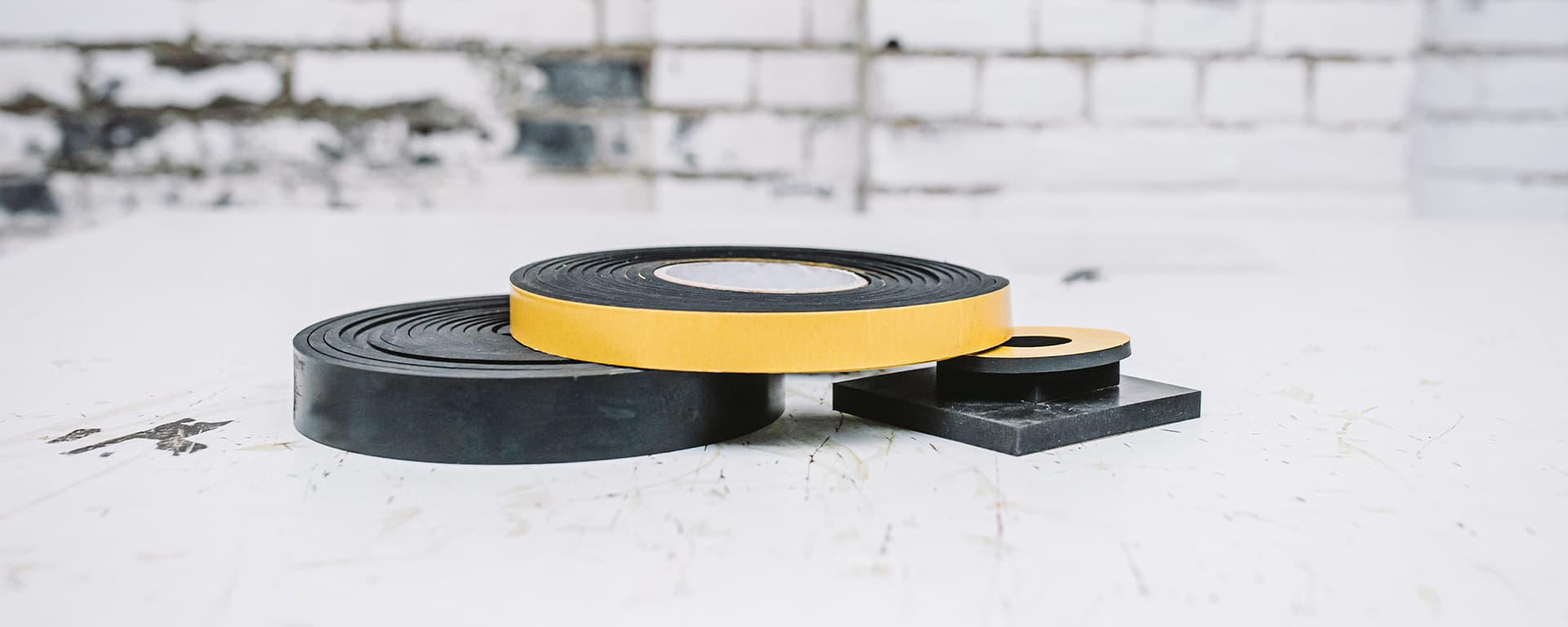
At EKI, we process different types of rubber into custom products, such as seals, rubber sheets, and rubber profiles. We supply both small and large quantities, with short delivery times throughout Europe.
What is rubber used for?
Rubber is used in various sectors. These are some common applications:
Automotive industry: rubber is used for tires, seals, hoses, and vibration-damping parts. Both natural rubber (NR) and synthetic rubbers are used for this.
Shoes: rubber soles provide grip, flexibility, and wear resistance.
Medical devices: rubber is processed in gloves, catheters, and other medical products. The type of rubber used must meet specific requirements for medical use.
Seals: thanks to flexibility and resilience, rubber is widely used to seal machines, appliances, doors, and structures against water, air, and dust.
Hoses: rubber is used in garden hoses, fuel hoses, and industrial hoses because of flexibility and, depending on the type of rubber, resistance to various liquids.
Sports articles: think of tennis balls, swim caps, and parts of sports equipment.
Toys: rubber is used for balloons, balls, and flexible toys.
Electrical insulation: certain types of rubber are used to insulate wiring and electrical components.
Conveyor belts: in factories, distribution centers, and airports, rubber conveyor belts are used to move goods.
Vibration damping: rubber is used in machines, vehicles, and construction to reduce vibrations and noise.
Protective clothing: rubber is used in boots, rainwear, and protective gloves.
Rubber for industrial applications
Which type of rubber is most suitable depends on the application. For example, EPDM rubber is often chosen for its good weather and UV resistance, while NBR rubber is suitable for applications where the material comes into contact with oil or fuels.
These are just a few examples of the many possibilities. Thanks to the diverse properties of rubber, the material is used in a wide range of industries.
Are you looking for rubber for a specific application? EKI is happy to help you choose the right type of rubber and a suitable custom solution.
The advantages and disadvantages of rubber
Rubber has many advantages, but also some disadvantages. The material is flexible, wear-resistant, and suitable for various applications. At the same time, not every type of rubber is resistant to, for example, high temperatures, chemicals, or UV radiation. The properties depend greatly on the type of rubber, the quality, and the application.
Advantages of rubber
Flexible and elastic: rubber can deform and then return to its original shape. This makes it particularly suitable for seals and other applications where flexibility is important.
Wear-resistant: many types of rubber are resistant to friction and mechanical stress. Therefore, rubber is widely used in tires, shoe soles, and industrial parts.
Water-resistant: rubber generally does not let water through and is therefore suitable for seals and other applications where moisture protection is needed.
Good insulating properties: many types of rubber offer electrical insulation and can also contribute to thermal insulation.
Vibration dampening: rubber absorbs vibrations and shocks, making it widely used in machines, vehicles, and technical installations.
Chemically resistant: certain synthetic rubbers are resistant to oil, fuels, or specific chemicals. The substances the material can withstand vary per type of rubber.
Disadvantages of rubber
Not always resistant to extreme temperatures: at very high or low temperatures, certain types of rubber can lose their flexibility and other properties.
Sensitivity to UV radiation and ozone: some types of rubber can age, harden, or crack with prolonged exposure. Other types, such as EPDM, are well resistant to this.
Limited chemical resistance: not every type of rubber is resistant to oil, solvents, or other chemicals. Contact with unsuitable substances can affect the material.
Environmental impact: the production of natural and synthetic rubber impacts the environment. Consider raw material usage, energy consumption, and possible deforestation when establishing rubber plantations.
Difficult to recycle: many vulcanized rubbers are difficult to reprocess and do not easily biodegrade.
Possible allergic reactions: natural rubber latex can cause allergic reactions in some people.
Fluctuating raw material prices: the price of rubber can fluctuate due to changes in demand, supply, and raw material costs.
Which type of rubber suits your application?
The mentioned advantages and disadvantages do not apply to every type of rubber to the same extent. For instance, EPDM rubber is resistant to weather influences and UV radiation, while NBR rubber is often chosen for resistance to oil and fuels. Therefore, it is essential to consider the conditions in which the rubber will be used when choosing the material.
At EKI, we have extensive knowledge of different types of rubber and their applications. We are happy to help you choose the right material and customize it to your specifications.
Do you want to buy rubber or have questions about the properties and technical specifications? Contact us via +31(0)243773378 or info@eki.nl.
Can rubber be recycled?
Yes, rubber can be recycled, but not every type of rubber is equally easy to reprocess. Vulcanized rubber, in particular, is difficult to recycle because the material gains a permanent structure during production. Therefore, it cannot be simply melted and reshaped, as is possible with many plastics.
A commonly used recycling method is grinding old rubber into small granules, also known as rubber granulate. This material can then be reused in floors, protective mats, and other rubber products.
How does EKI handle rubber recycling?
At EKI, we actively work on reducing and reusing residual materials. Rubber and foam waste from our production process are collected and recycled where possible. Residual materials returned by customers can also be included.
Additionally, we supply granulate rubber made from recycled rubber. This material is used for protection, anti-slip, and shock absorption, among other applications.
However, it is still not possible to make all our rubber products from recycled materials. Especially in technical applications, it is important that the material meets specific requirements in terms of elasticity, strength, and lifespan. Therefore, we continue to look for opportunities to use more recycled rubber without compromising the quality and properties our customers require.
Receiving advice on rubber?
Do you have questions about rubber or their application for your business? Please let us know using the form below. Our team of specialists will be happy to think along with you.