All About Thermal Insulation
Thermal insulation plays an essential role in creating a comfortable and energy-efficient living environment. Whether you are renovating an existing home or building a new one, the right thermal insulation can make a world of difference.

What is thermal insulation?
Thermal insulation refers to the use of materials in construction to limit heat transfer. This insulation can be applied in walls, roofs, floors, and pipes to minimize heat loss in winter and unwanted heat gain in summer. In other words, thermal insulation keeps your home warm in winter and cool in summer—all while saving energy.
How does thermal insulation work?
Thermal insulation works by reducing heat conduction. It is all about minimizing the transfer of heat from one layer to another. This is achieved by using materials with low thermal conductivity, which act as barriers to prevent heat from flowing from one side to the other.
One of the key factors in choosing a thermal insulation material is the so-called R-value. This value indicates the thermal resistance of a material. The higher the R-value, the more effective the material is at limiting heat transfer.
Thermal insulation products from EKI
Refine your selection:
Selecting multiple choices is possible
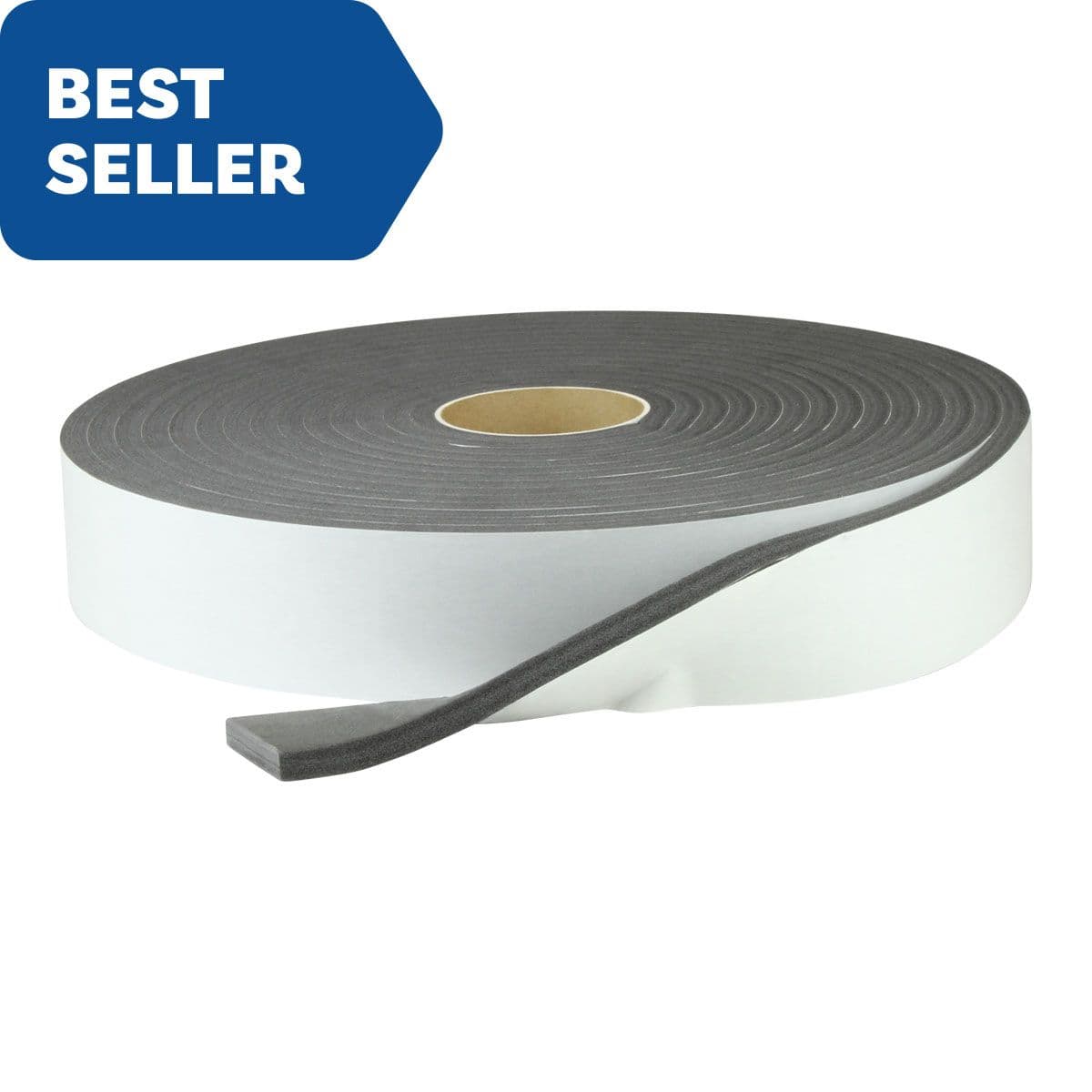
EKI 1300 PE foam dark grey
- up to 15 mm
- closed cell
- tape and shapes
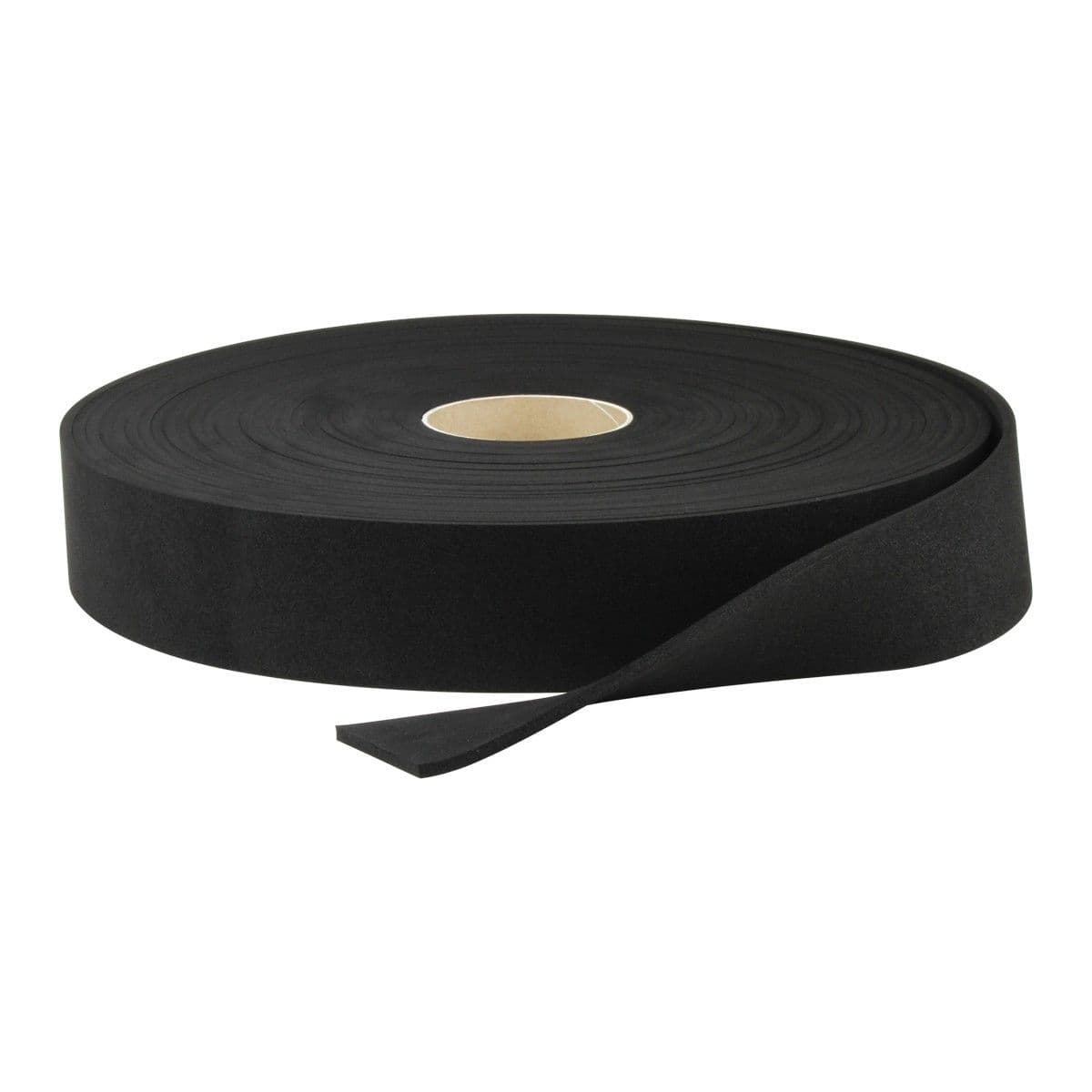
EKI 650 EVA foam black
- sealants
- shock absorption
- sealant tape
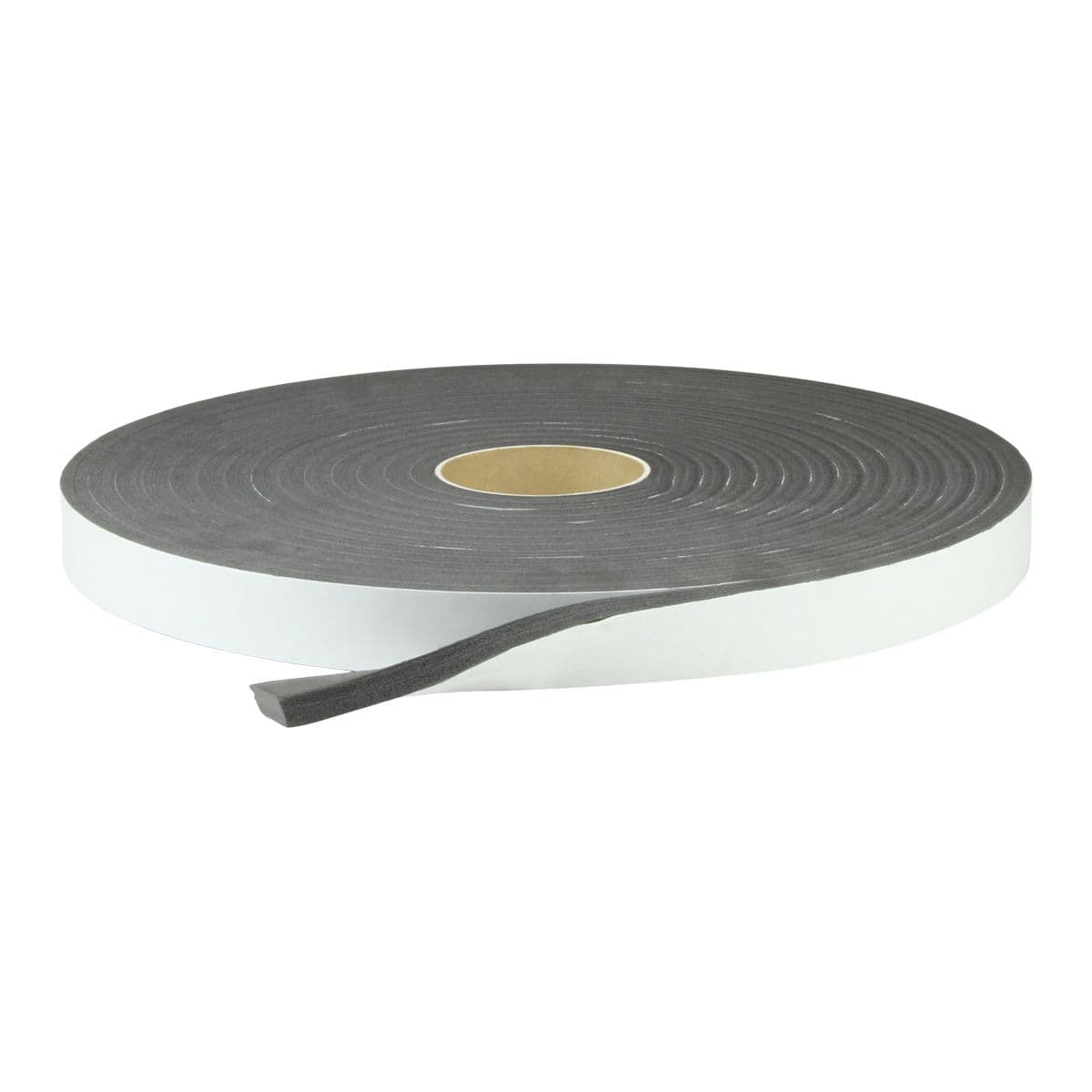
EKI 1303 PE foam dark grey
- up to 10mm
- Auto-extinguible
- tape and shapes
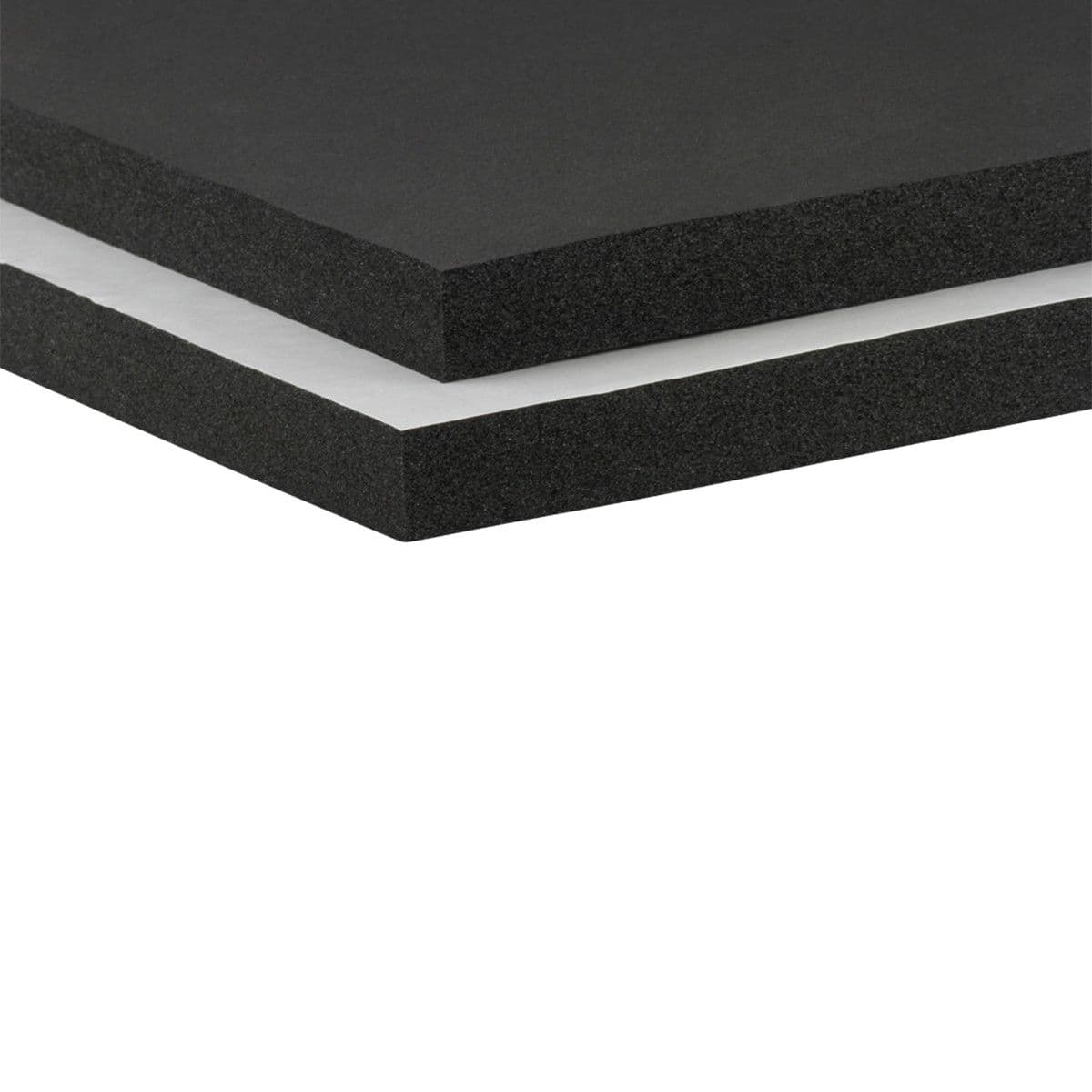
EKI 300 Synthetic foam
- heat insulation
- pipe insulation
- HVAC
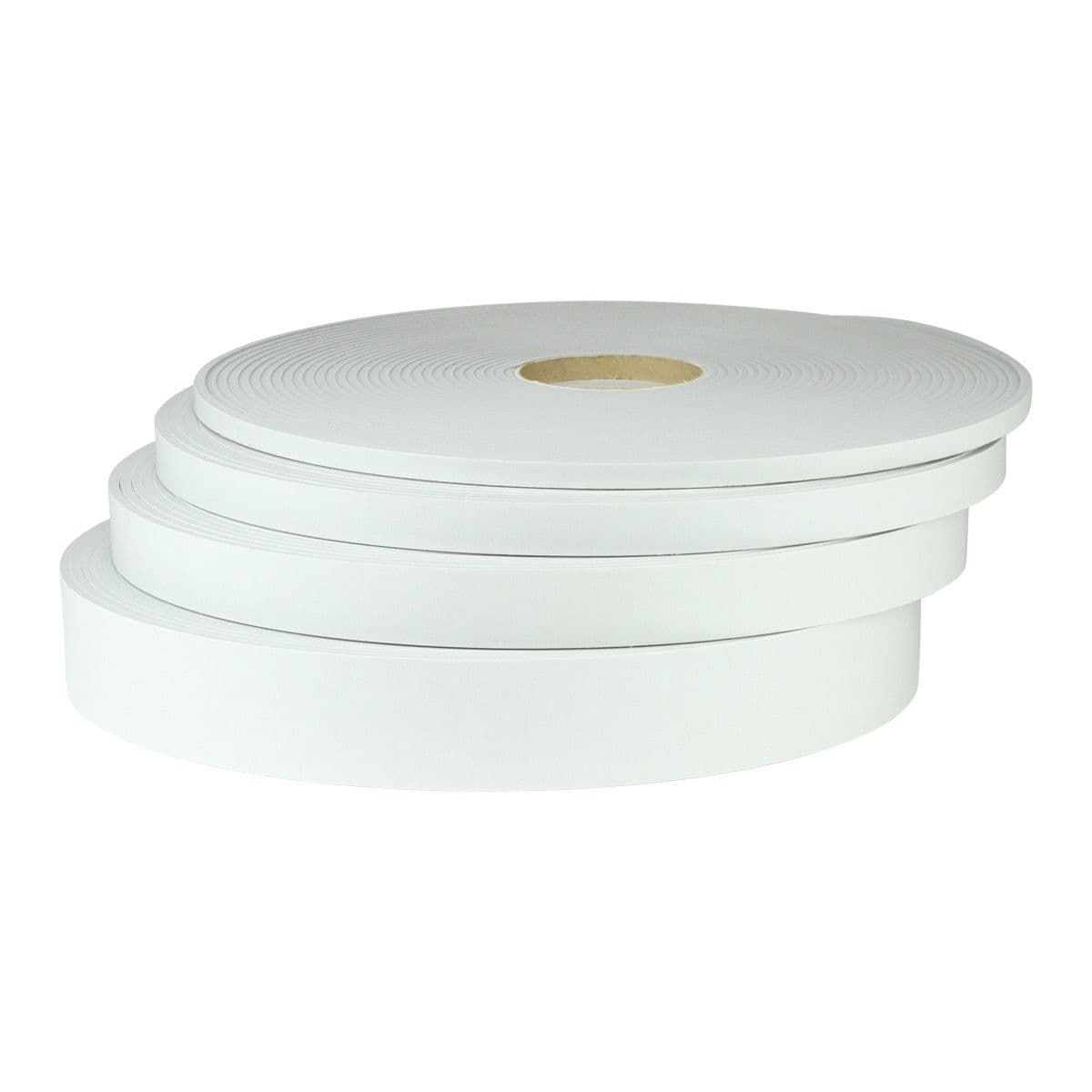
EKI 2073 PVC foam grey
- harder
- 15% compress: closed
- SR: slow recovery
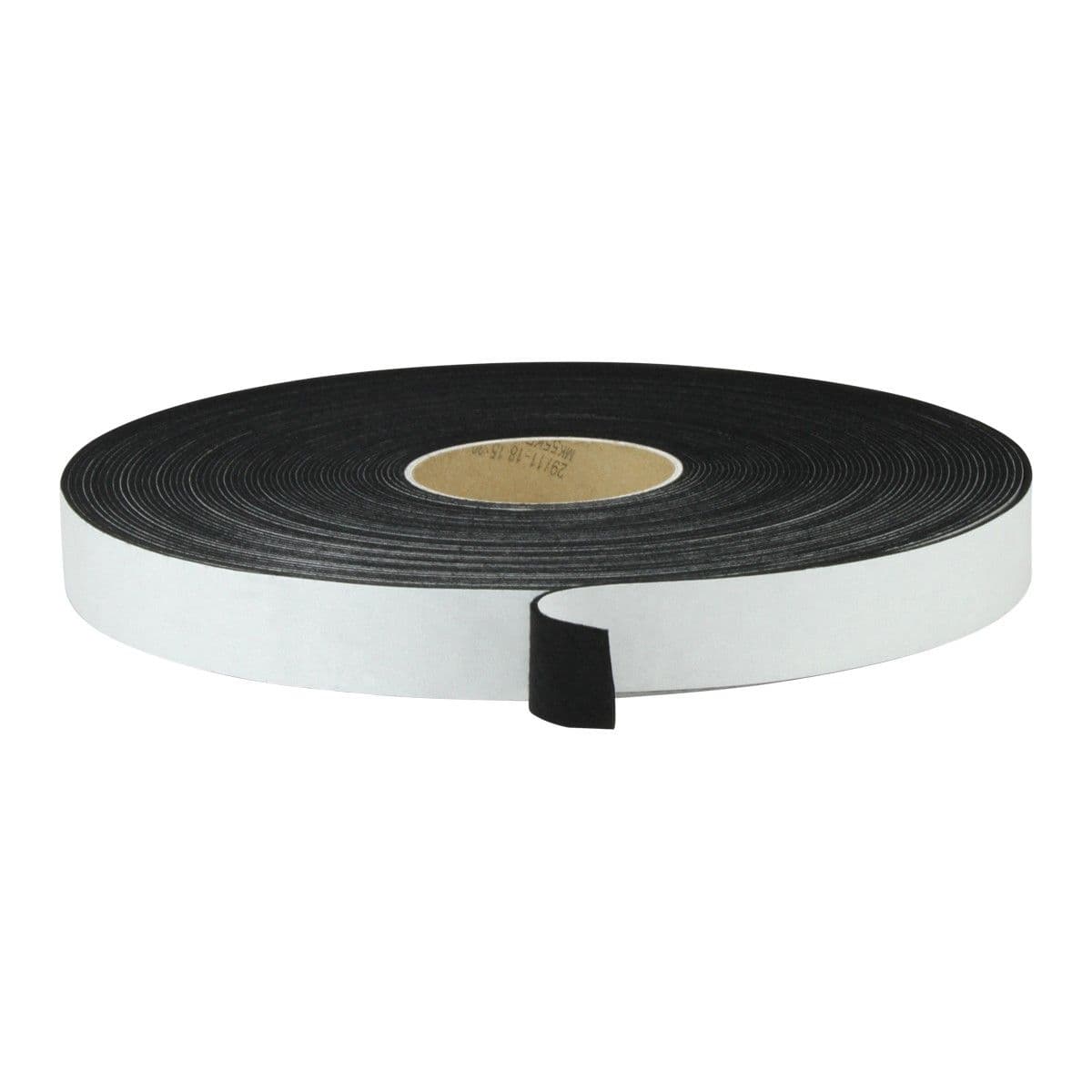
EKI 9160 Wool felt black
- 1 and 2 mm
- adhesive tape
- shapes
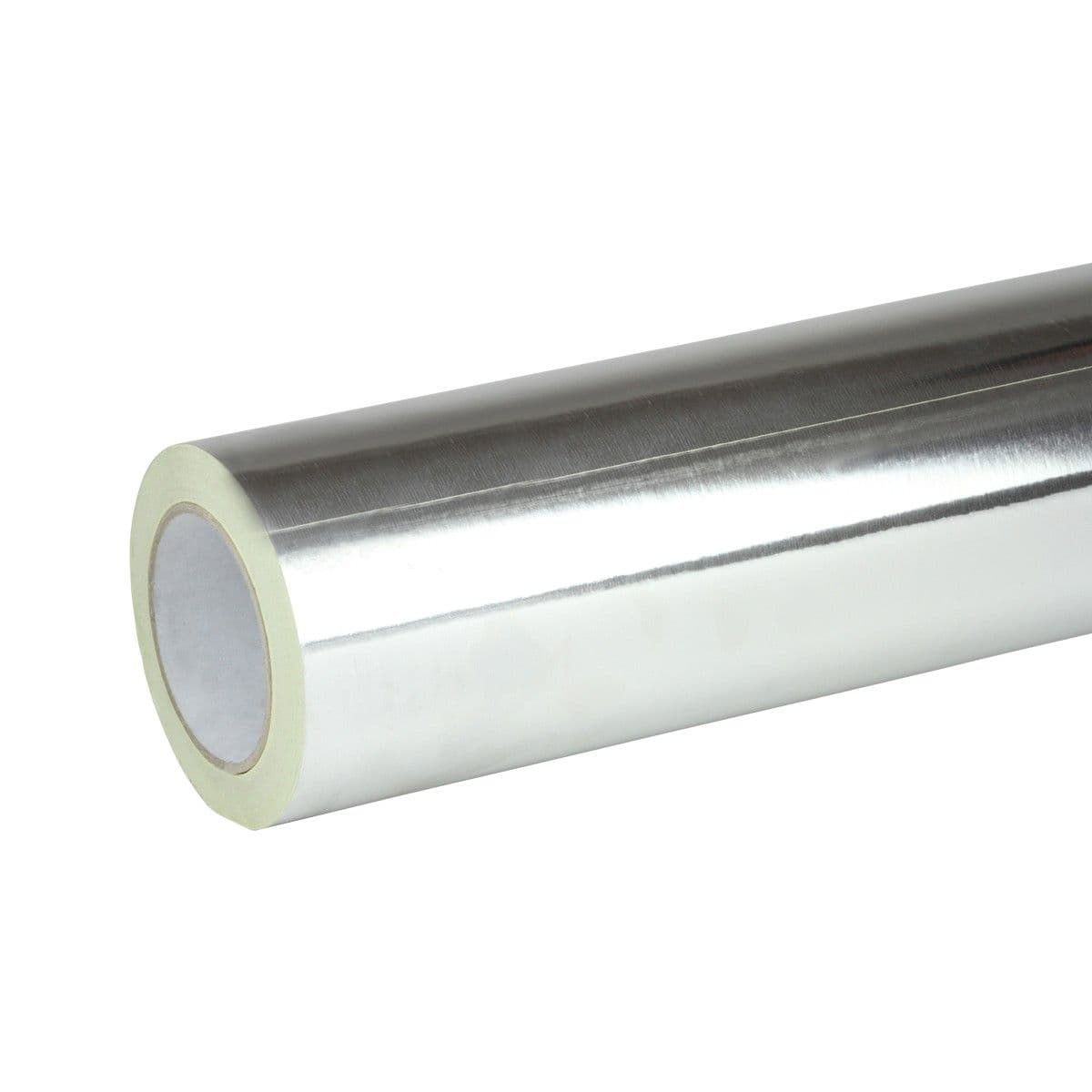
EKI 1980 Aluminium foil
- short delivery time
- all widths available
- 1 side adhesive
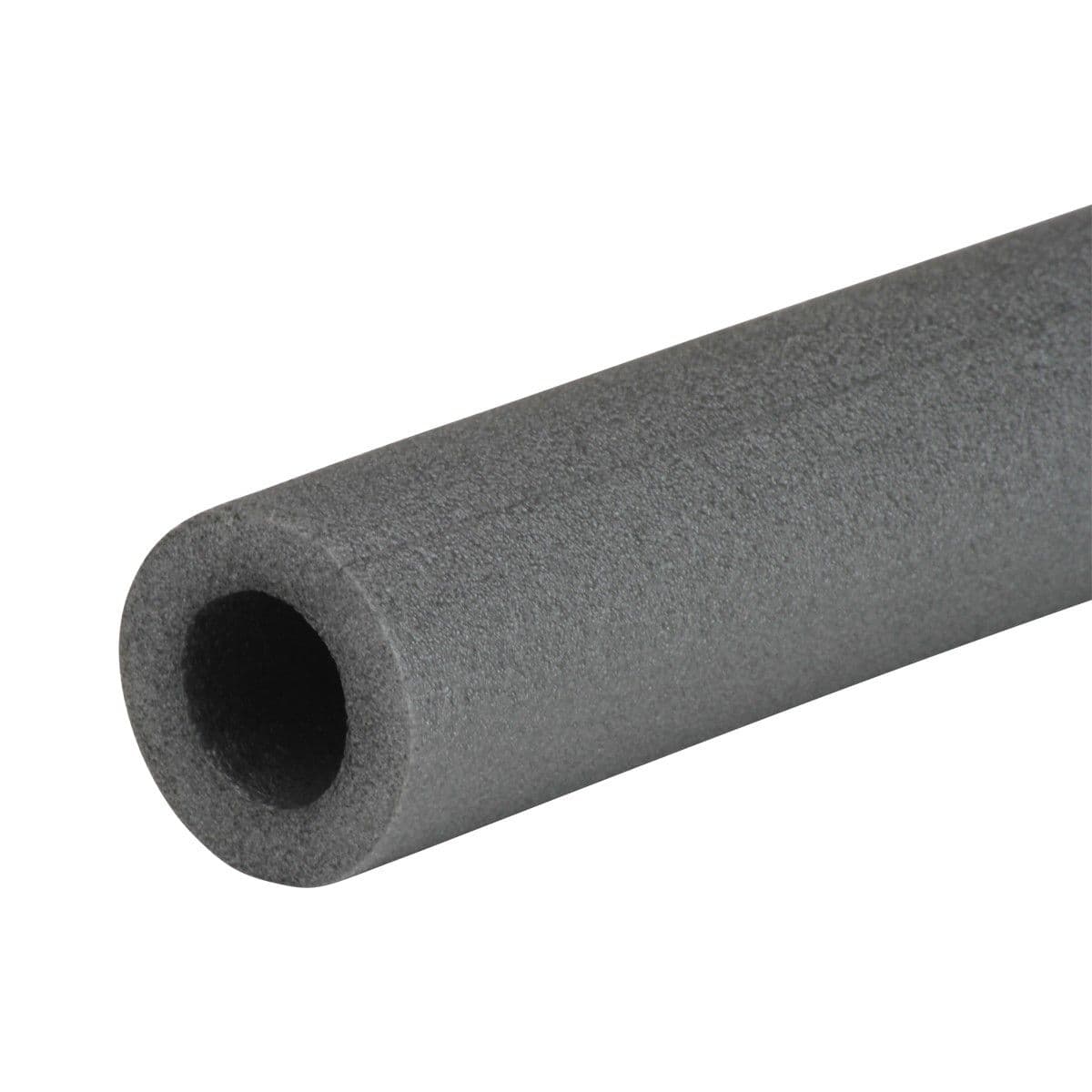
EKI 5030 PE pipe insulation
- closed cell
- pipe insulation
What is the best thermal insulation?
The “best” insulation depends on many factors, including the specific needs of the project, the regional climate, the budget, where the material will be installed, and environmental considerations. Commonly used materials include:
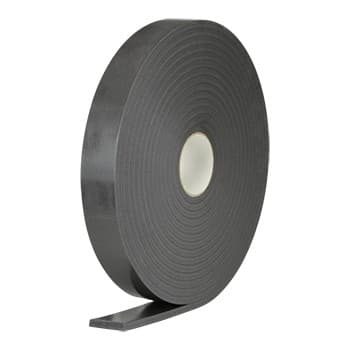
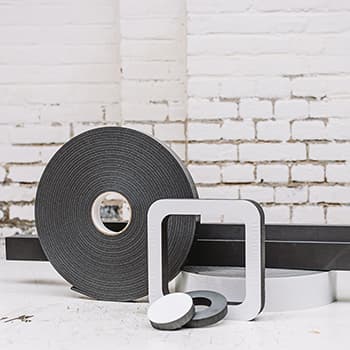
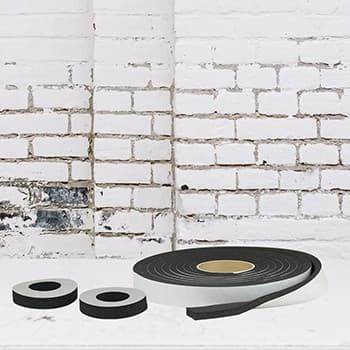
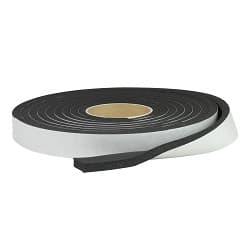
Insulation tape
PE insulation tape is mainly used for sealing window frames, windows, and doors. It can also be used in concrete casting. The tape ensures that heat, cold, sound, and drafts stay outside. Because PE foam is resistant to UV radiation, ozone, and other weather conditions, it has a long lifespan even under harsh conditions. Thanks to its closed-cell structure, the material is water-resistant and keeps out rain. It can be used in very cold temperatures and is highly resistant to aging.
Insulation foam
EKI 300 is highly suitable for this purpose; this material is made from synthetic foam. Due to its low thermal expansion and low thermal conductivity, it has excellent cold- and heat-insulating properties. It also contributes to effective energy savings. In addition, it has high resistance to water vapor diffusion, reducing the risk of corrosion in insulation.
EKI 300 is mainly used as HVAC insulation foam, for example as pipe insulation. It is also used for lining cold storage rooms and doors, in heat pump systems, for thermal insulation of reservoirs, tanks, and vessels, and in air ducts or air conditioning systems.
Insulation board
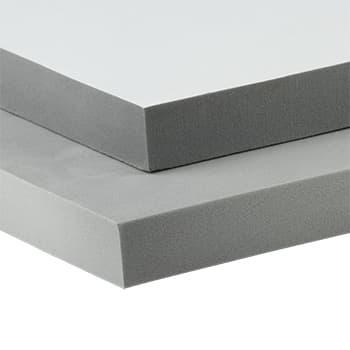
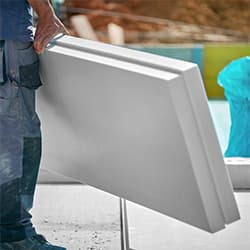
Another important application of PE rigid foam is thermal insulation. Examples include underlays for laminate or parquet flooring, which protect residents from cold coming from below. When used as floor insulation, it is important that the compressive strength of the insulation board is high enough to support the floor.
Rigid foam boards are strong enough for this purpose and offer high insulation values. This makes them ideal for use in combination with underfloor heating. These boards are also used for insulating roofs.
How should thermal insulation be installed?
Installing thermal insulation is a precise task and is best carried out by professionals. However, if you choose to do it yourself, here are some steps to follow:
Measure the space accurately where the insulation will be installed.
Choose the right insulation material based on the R-value and the specific needs of the project.
Cut the insulation material to size and ensure it fits snugly in the space.
Secure the insulation according to the manufacturer’s instructions. This may involve using adhesive, nails, or special fastening clips.
What does thermal insulation cost?
The cost of insulation materials varies greatly depending on the chosen material, the size of the project, and whether you do the work yourself or hire a professional. On average, costs range between €20 and €50 per square meter for materials and installation.
It is also important to consider that thermal insulation is an investment. Although the initial costs can be significant, the long-term savings on energy bills can more than offset these expenses. In some cases, subsidies may also be available for insulating a home, which can significantly reduce the investment.
A warm investment
Thermal insulation is more than just a way to stay comfortable at home. It is an investment in energy efficiency, sustainability, and financial savings. Whether you are an experienced homeowner or just starting your first renovation project, understanding and applying the right insulation can make a world of difference.