All About Sound Insulation
Sound insulation, also known as acoustic insulation, refers to the methods and materials used to prevent sound from being transmitted from one location to another. On this page, we provide more information about this application.

What is sound insulation?
Sound insulation, also known as acoustic insulation, plays a crucial role in creating quiet spaces in our busy world. It refers to the methods and materials used to prevent sound from traveling from one location to another. The goal is to reduce unwanted noise, ranging from loud neighbors and street noise to noisy household appliances.
The terms sound insulation and sound absorption are often used interchangeably, but there is a fundamental difference. Sound absorption improves the reverberation time and acoustics within a space, such as in recording studios. Sound insulation, on the other hand, deals with sound transmission between spaces. It blocks sound waves from passing into adjacent rooms, preventing noise from traveling from one place to another. On this page, we will discuss materials that may fall into one or both categories.
How does acoustic insulation work?
The essence of acoustic insulation is based on controlling vibrations. Sound travels in waves and is produced by vibrations. These vibrations can move through almost any medium, such as air, water, and solid objects. Sound insulation materials work by capturing, absorbing, or reflecting these vibrations to reduce sound transmission.
Various techniques can be used in acoustic insulation, including the use of high-density materials that are difficult for sound to penetrate. Materials with structures that prevent vibration transmission are also used, as well as damping materials that reduce the energy of sound waves.
Sound Insulation products from EKI
Refine your selection:
Selecting multiple choices is possible
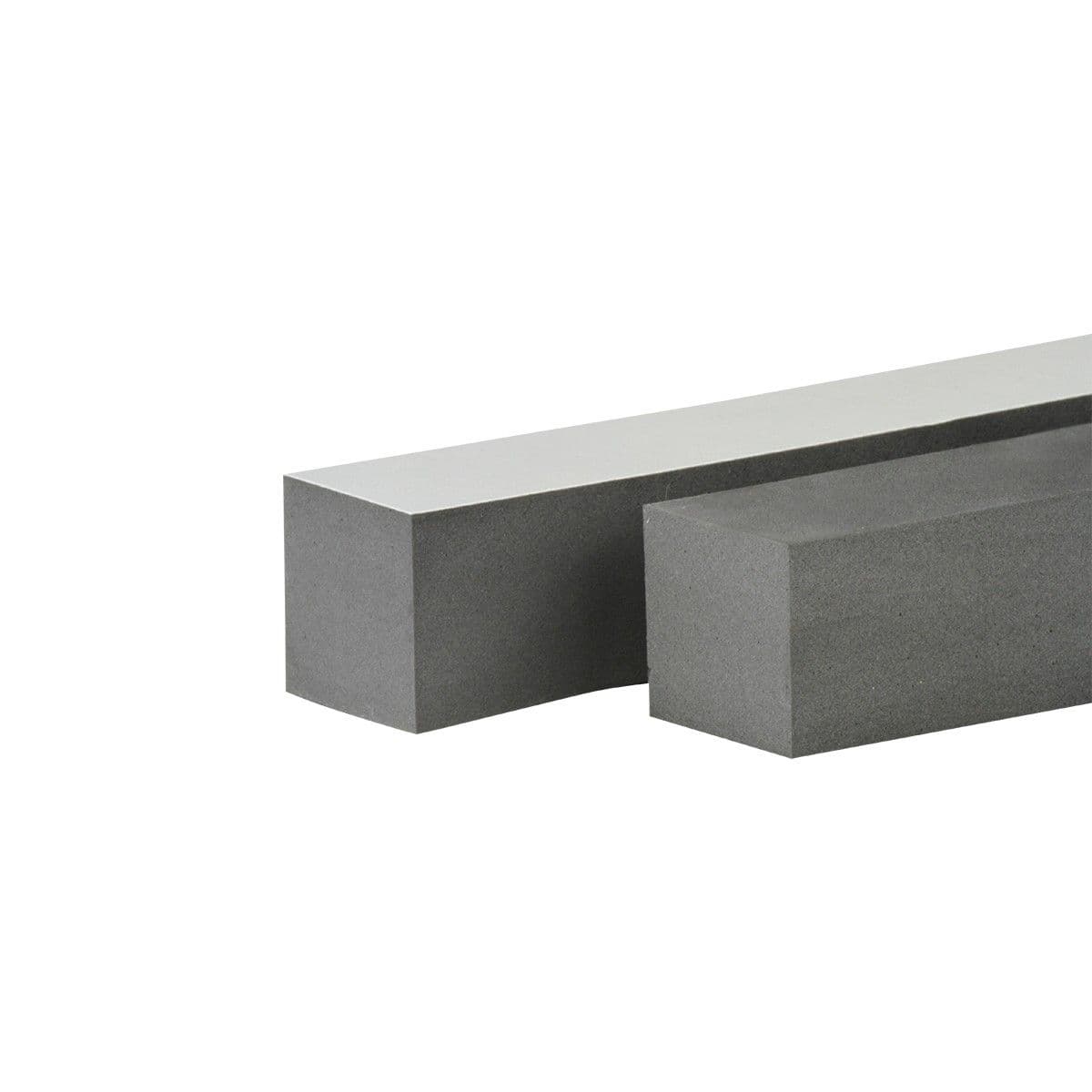
EKI 1306 PE foam dark grey
- up to 100 mm
- closed cell
- sheets and shapes
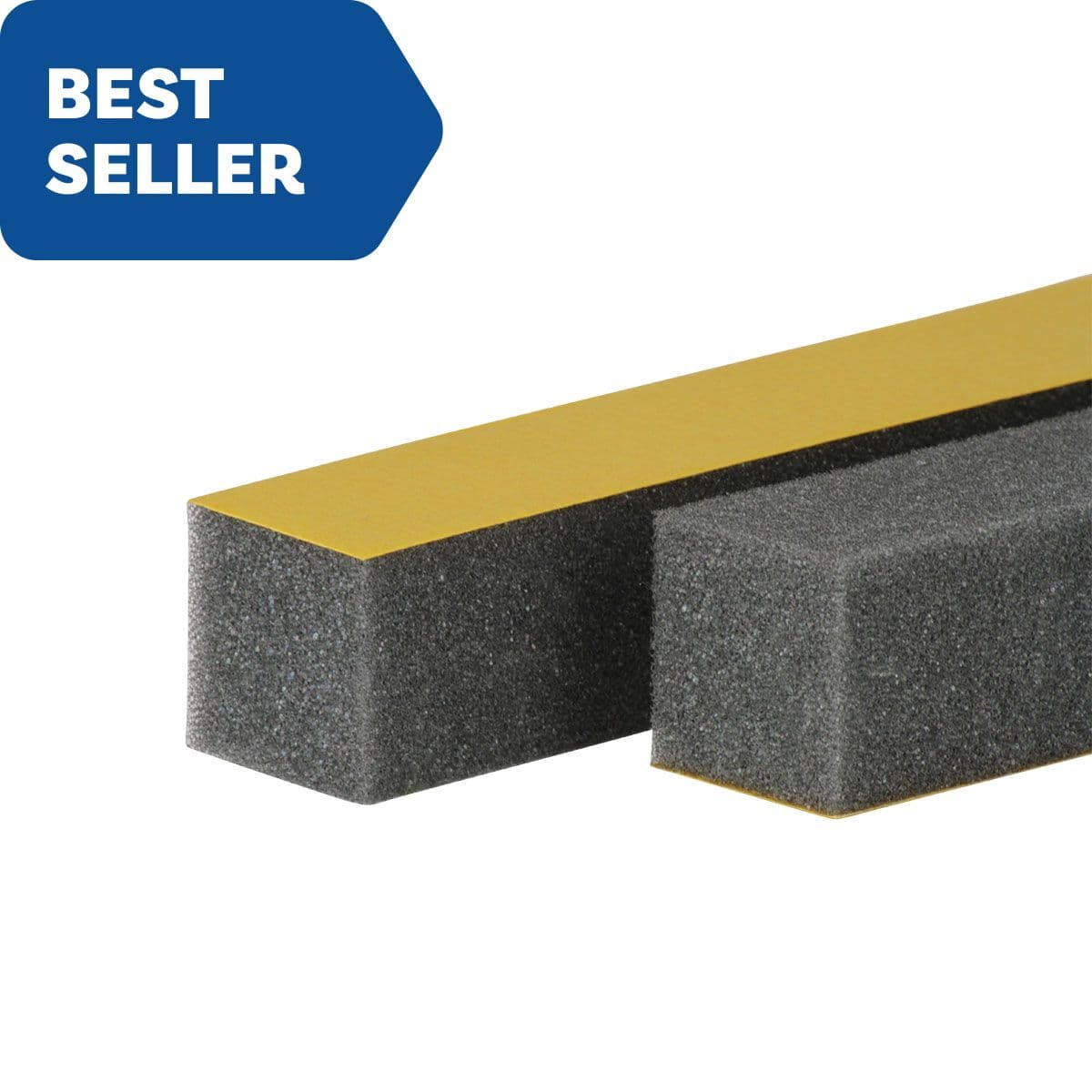
EKI 107 PU foam grey, open cell
- most popular
- open cell
- fine cell structure
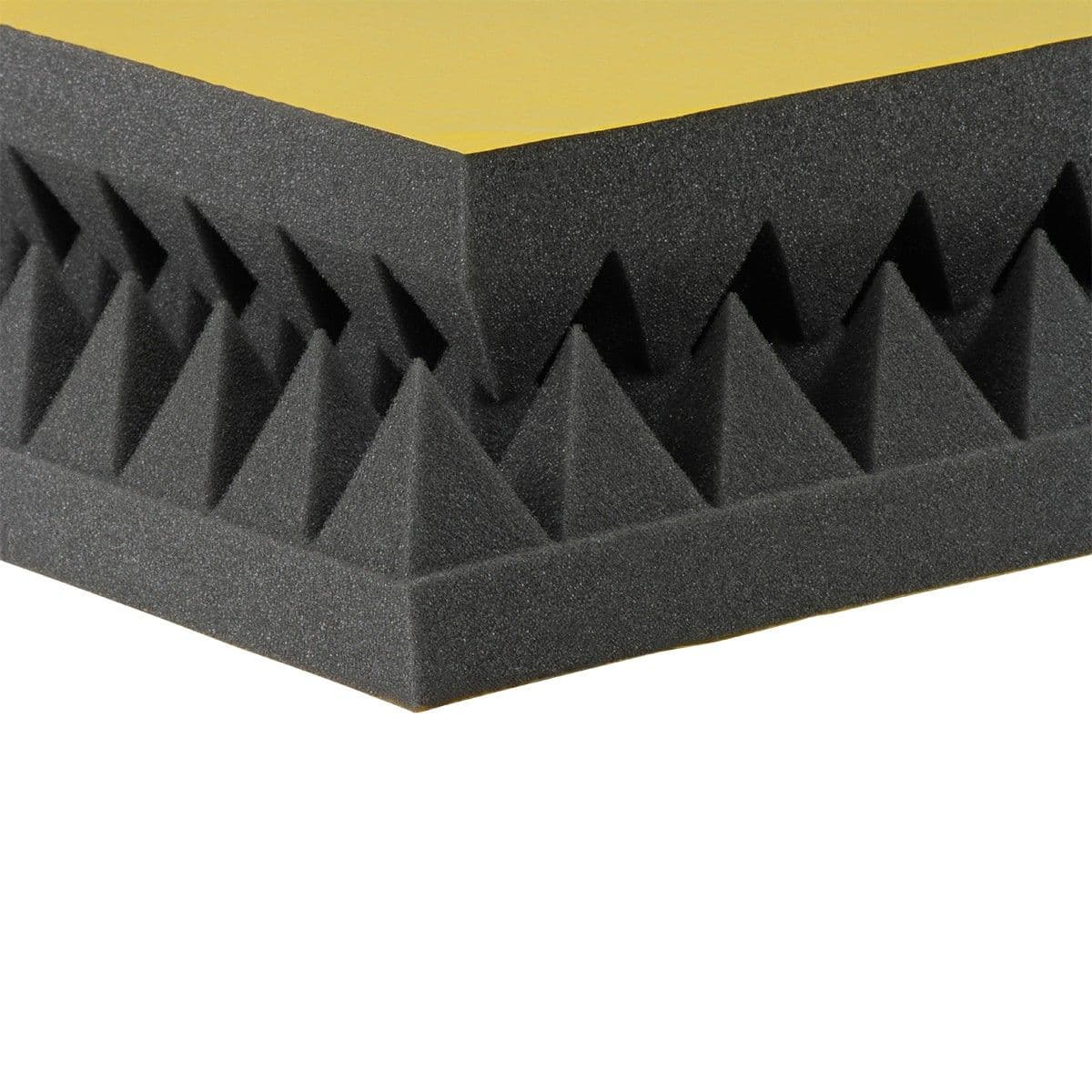
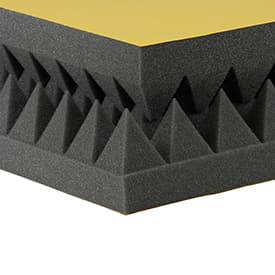
EKI 108 PU pyramid foam
- most popular
- sound absorption
- improving acoustics
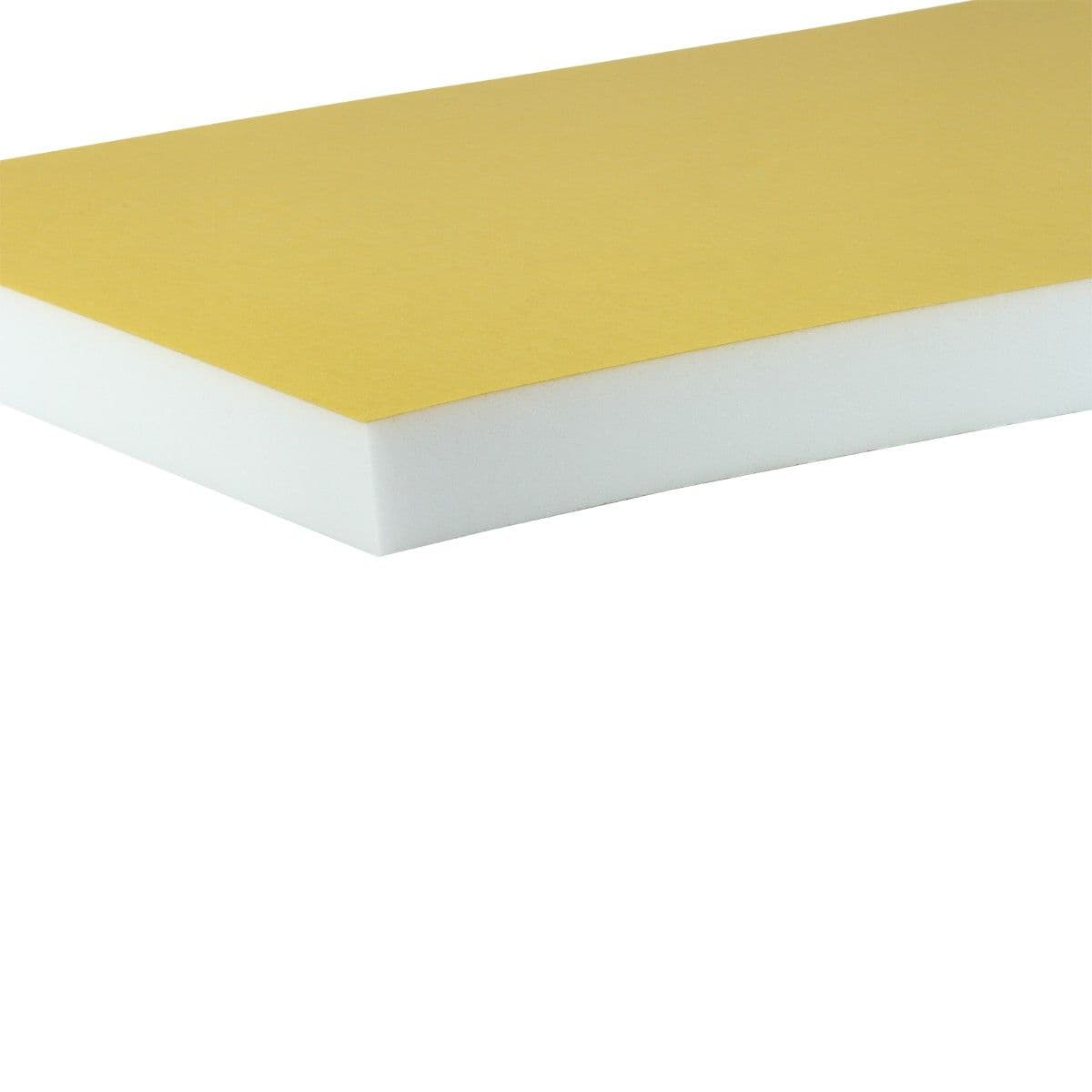
EKI 115 Melamine foam white
- white
- sound absorption
- for consumer market
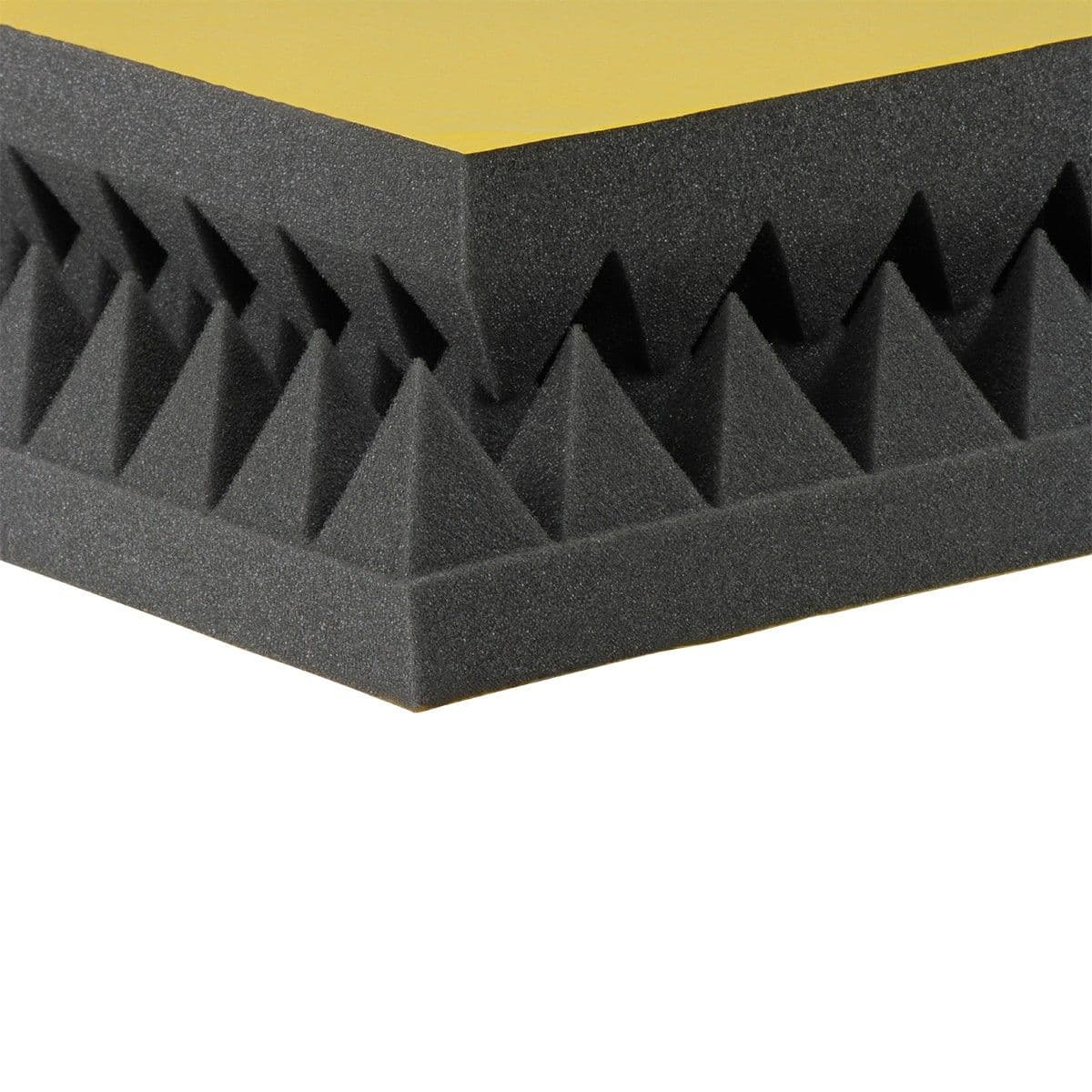
EKI 129 PU pyramid foam
- auto-extinguible
- sound absorption
- improving acoustics
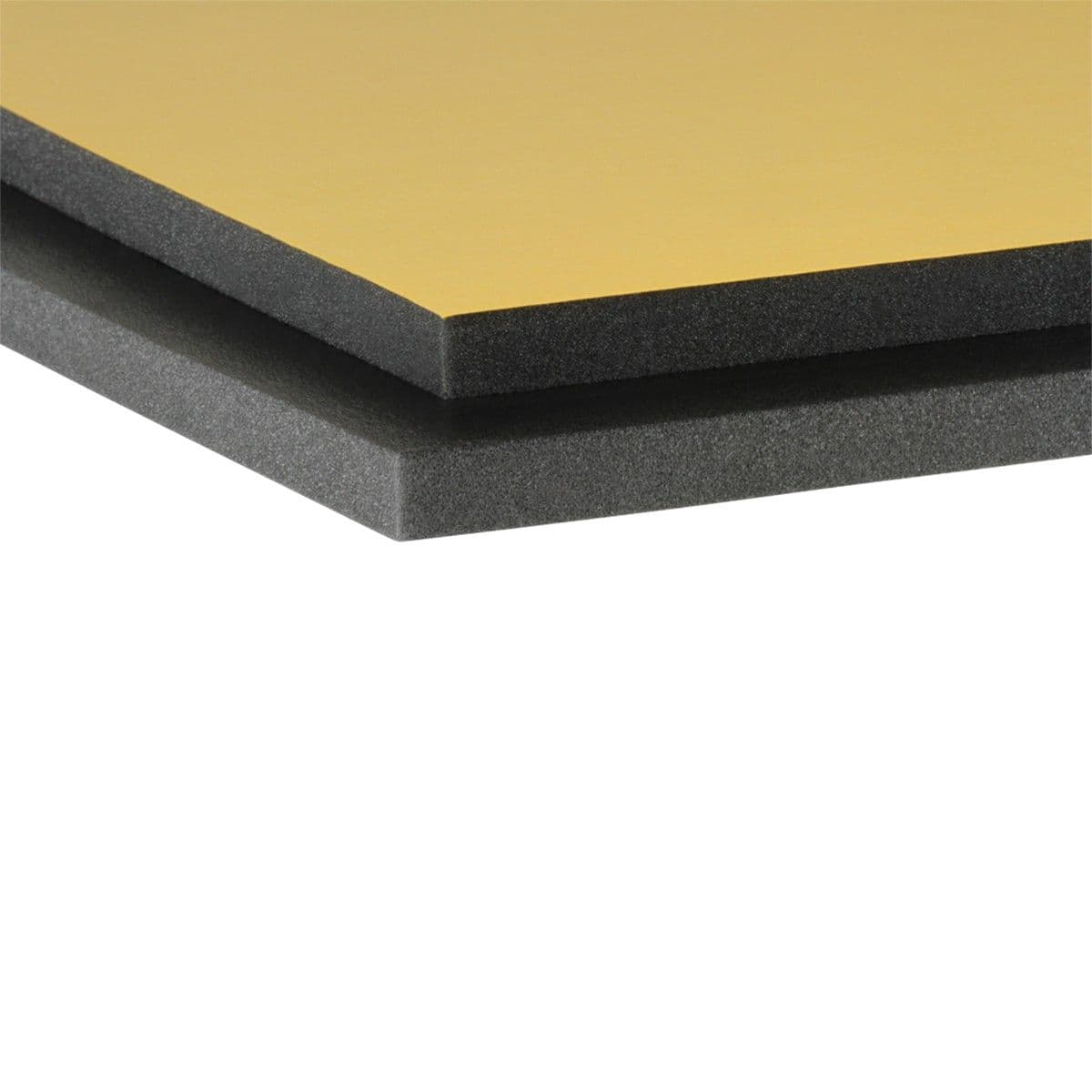
EKI 113 PU foam with foil
- auto-extinguible
- 1 side black foil
- sound absorption
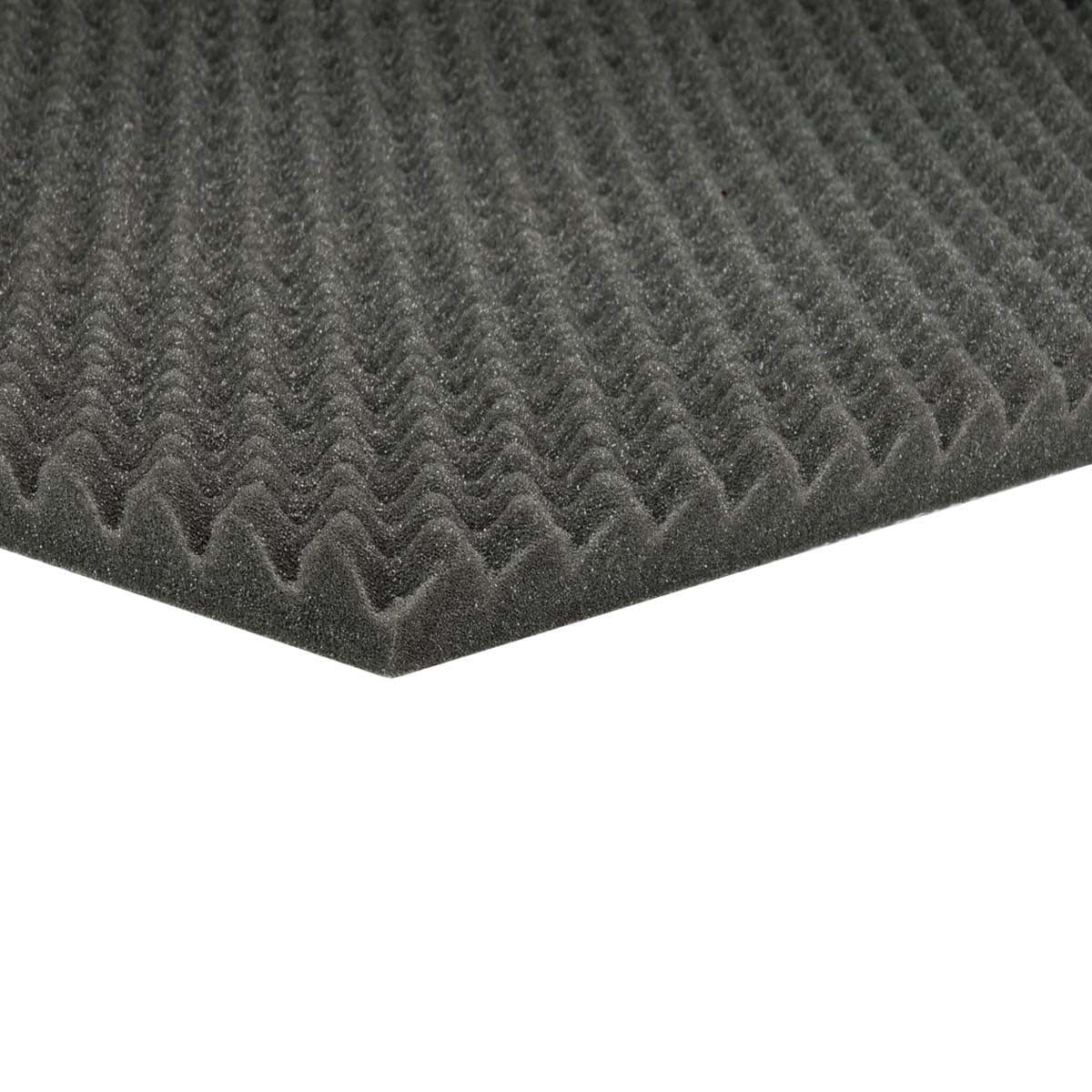
EKI 109 PU convoluted foam
- 30 and 50 mm
- sound absorption
- improving acoustics
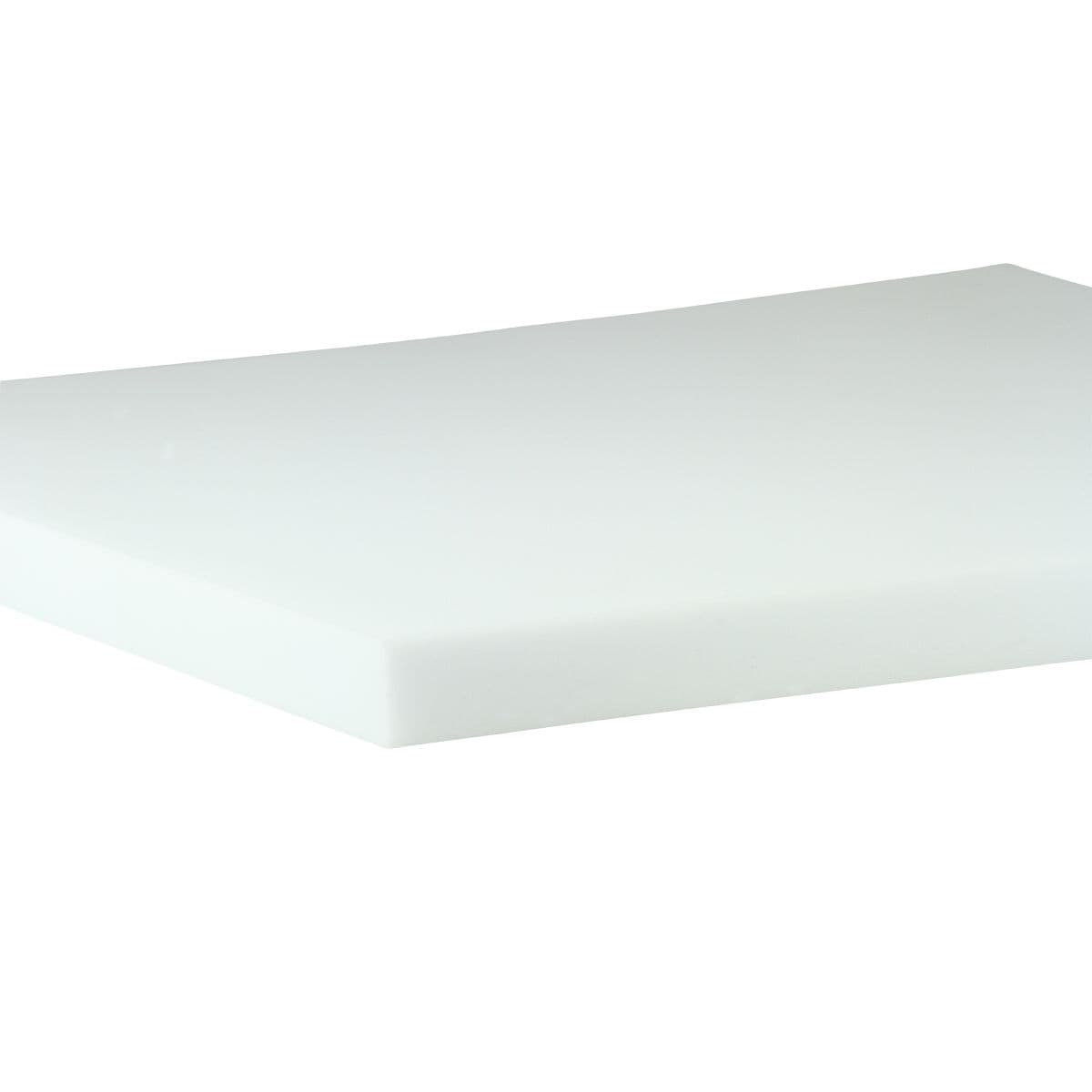
EKI 114 Melamine foam extra white
- extra white
- sound absorption
- for consumer market

What is the best sound insulation?
The “best” acoustic insulation depends on several factors, including the specific acoustic needs of a space and the nature of the unwanted noise. However, there are several high-quality options to consider, such as acoustic foam—like pyramid foam and melamine foam—which is particularly effective at absorbing high frequencies. Sound insulation foam, such as polyether foam and PE foam, is also a good choice, as it is highly effective at blocking sound waves from reaching adjacent spaces.
How should acoustic insulation be installed?
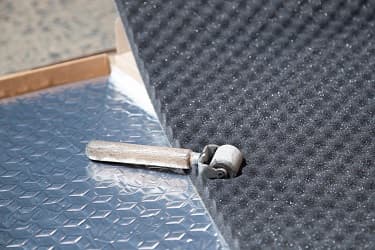
Installing acoustic insulation is a careful process that requires planning, preparation, and precise installation. It starts with determining which parts of a space need to be insulated and selecting the appropriate material. Next, the space must be measured to determine how much material is needed and to prepare the area for installation.
The insulation is then installed according to the manufacturer’s instructions. Depending on the material, this may involve gluing, nailing, or screwing it into place, and possibly covering it with a finishing layer such as drywall.
What does sound insulation cost?
The cost of sound insulation can vary depending on the type of material, the size of the project, and any professional installation costs. Basic materials like mineral wool may cost less than more specialized materials such as acoustic foam or mass-loaded vinyl. Larger projects will require more material and possibly more labor, increasing the overall cost.
Professional installation costs can vary, so it’s important to consider both labor and materials when budgeting for a sound insulation project.
What are the benefits of sound insulation?
Acoustic insulation can significantly improve your living or working environment, especially in noisy urban areas. While the cost and installation process may seem daunting, it is worth considering given the potential benefits for your comfort and well-being.
Whether you want to create a home theater, need a quiet study space, or simply want to improve your overall peace and quiet, sound insulation can be the key to a quieter, more peaceful lifestyle.