Everything about pipe insulation
Pipe insulation is an essential part of any household or industrial system that involves the transport of liquids or gases. It offers numerous benefits, including energy savings, noise reduction, and protection against freezing or condensation. On this page, we take a closer look at everything you need to know about pipe insulation.

What is pipe insulation?
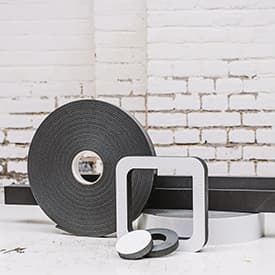
Pipe insulation, also known as tubing insulation or piping insulation, is a process in which insulating material is applied to pipes to minimize heat loss. This is especially important in systems where hot water is transported, such as heating systems and heat pumps. Less heat is lost to unused spaces, and the water inside the pipes maintains its temperature more effectively. The waiting time for hot water is reduced, and pipes are better protected against freezing.
Pipe insulation can also reduce noise transmitted through pipes. This is not only due to the sound-insulating properties of the material. The ticking sound often heard is caused by pipes expanding or contracting as they heat up or cool down. If heat is better retained within the pipe, this ticking will also decrease.
How does pipe insulation work?
Pipe insulation works by creating a barrier between the contents of the pipe and the surrounding environment. This barrier reduces the amount of heat that is lost (in the case of hot water or steam pipes) or gained (in the case of chilled water pipes).
The insulation can be made from a variety of materials, including foam, fiberglass, polyethylene, and more. These materials are designed to minimize heat transfer, thereby increasing system efficiency. They also help prevent condensation from forming on pipes, which could otherwise drip onto ceilings and cause moisture damage.
Pipe insulation products from EKI
Refine your selection:
Selecting multiple choices is possible
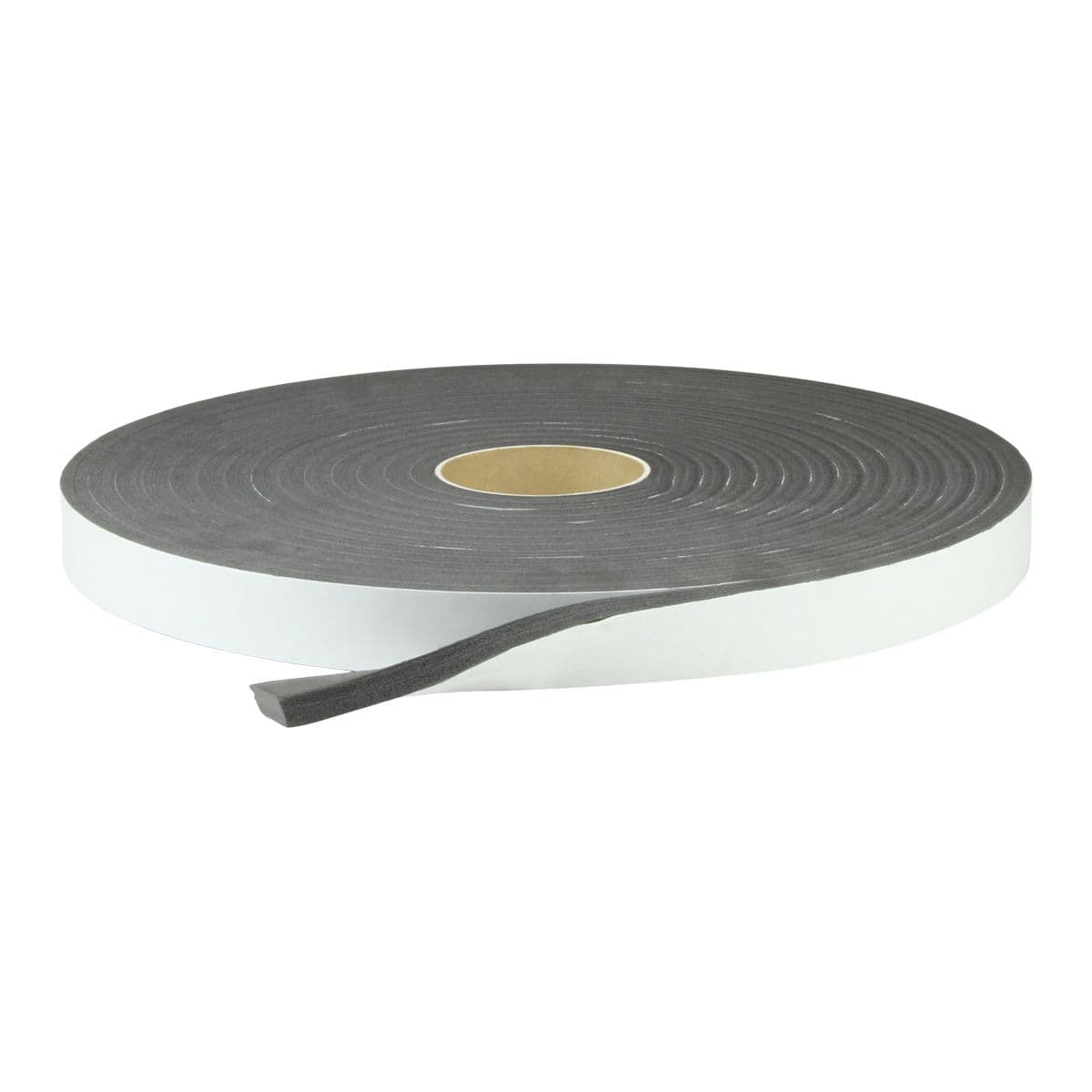
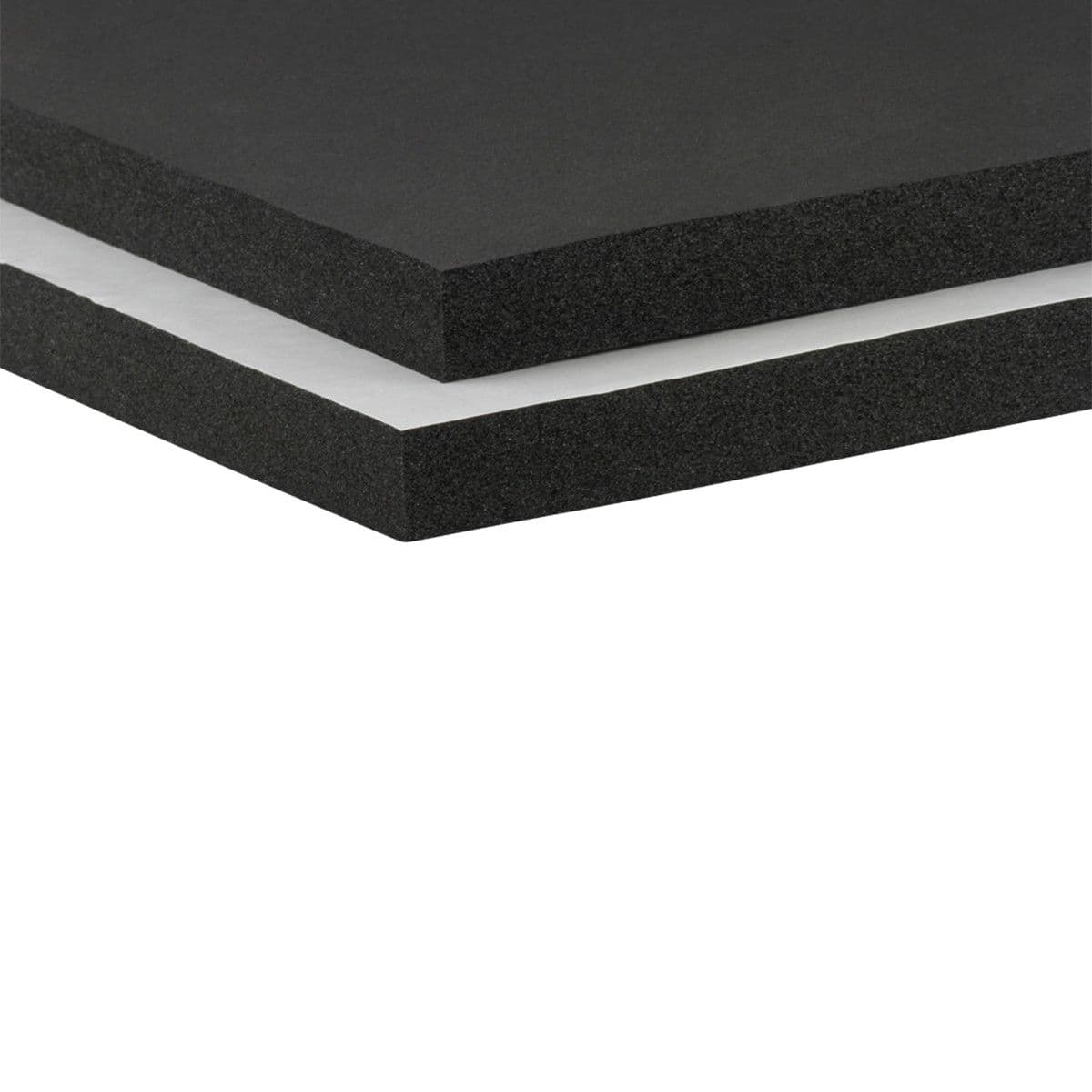
What is the best pipe insulation?
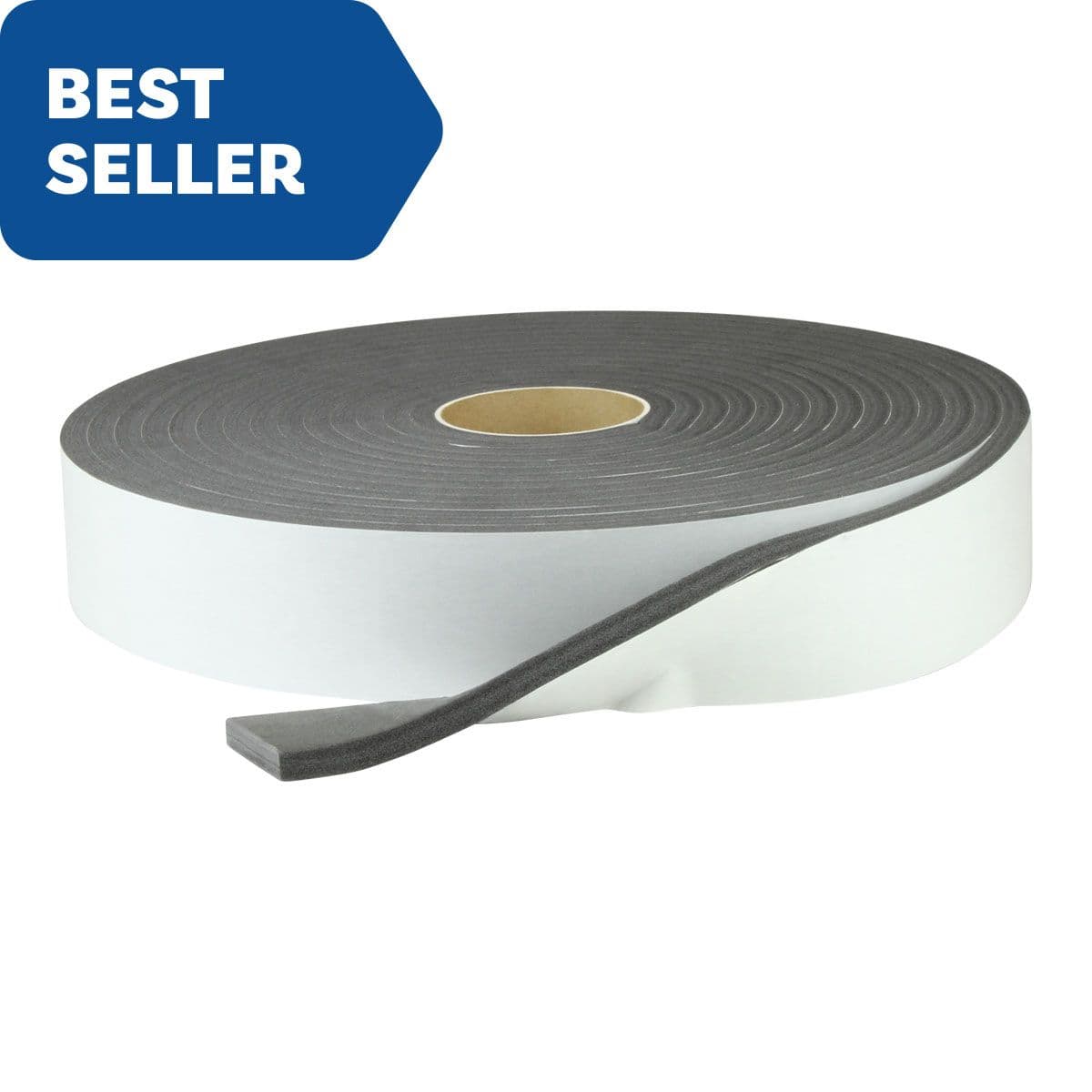
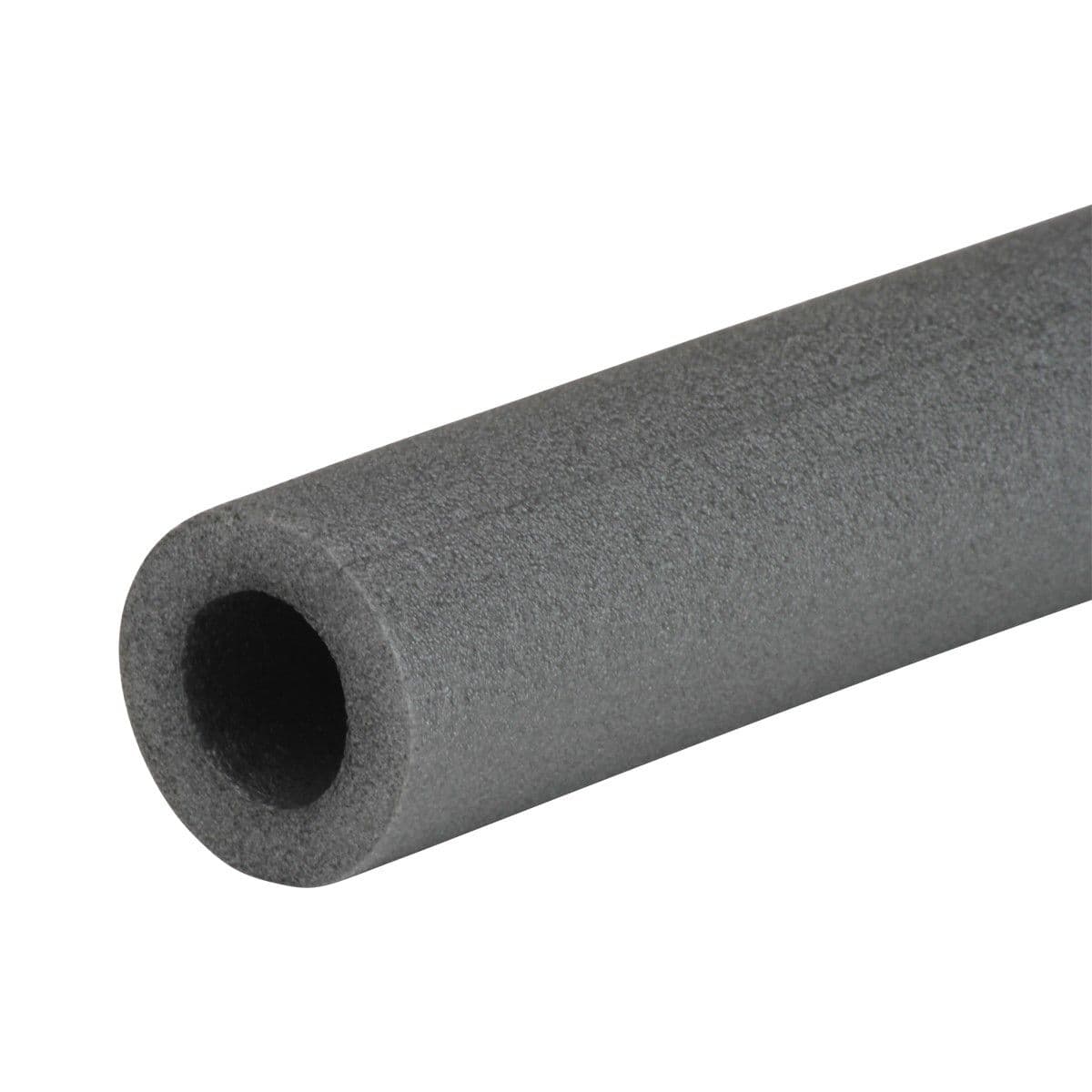
PE foam, also known as polyethylene foam, is a relatively rigid foam with a closed-cell structure. When processed into profiles, it is commonly used as pipe insulation. PE foam is suitable as an insulating material because of its strong thermal and acoustic insulation properties. In addition, PE pipe insulation is waterproof, weather-resistant, and resistant to aging.
Another material often used for this application is synthetic foam. Due to its lower thermal expansion, flame-retardant qualities, and sound-insulating properties, it is an ideal material for pipe insulation.
How should pipe insulation be installed?
Installing pipe insulation can be a do-it-yourself task if you are handy and dealing with accessible indoor pipes. You need to choose the correct size insulation that matches the diameter of the pipes. It is usually wrapped around the pipe and then secured with tape or clamps.
For more complex systems, or systems exposed to outdoor conditions, it may be better to hire a professional to ensure that the insulation is installed correctly and safely.
What does pipe insulation cost?
The cost of pipe insulation can vary depending on factors such as the type of insulation material chosen, the size of the pipes to be insulated, and whether you install it yourself or hire a professional. For DIY installation, material costs can range from a few euros to more than twenty euros per meter, depending on the type and brand of insulation.
Pipe insulation is an essential investment that can improve the efficiency of your heating or cooling systems, reduce energy costs, minimize noise transmission, and protect your pipes from freezing and condensation.