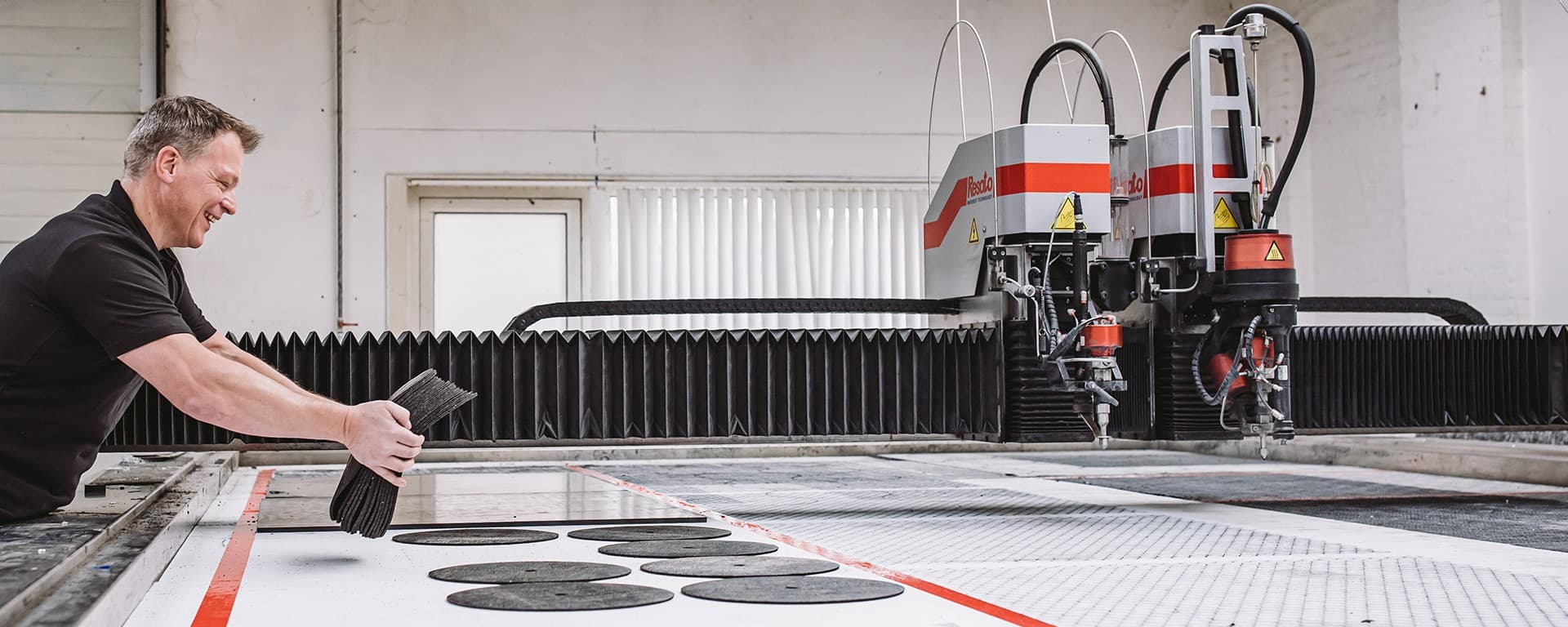
Everything about external wall insulation
Insulation is an essential part of any home, especially when it comes to energy efficiency and comfort. External wall insulation is an effective way to reduce heat loss in your home and improve overall energy performance. In this article, we take a deep dive into what external wall insulation is, how it works, and why it might be the right choice for you.

What is external wall insulation?
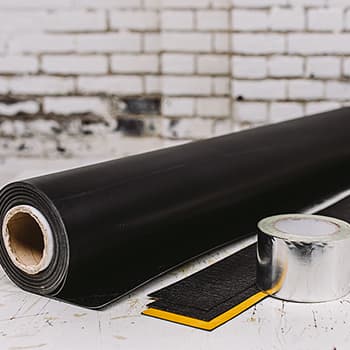
External wall insulation, also known as exterior insulation, is a process in which insulating material is applied to the outer walls of a building. This type of insulation acts as a thermal blanket around the building, reducing heat loss and helping maintain a comfortable indoor temperature regardless of outside weather conditions.
How does external wall insulation work?
External wall insulation works by applying an insulating layer to the exterior walls of a home, which is then covered with a protective finish. This layer prevents heat from escaping during colder months and keeps heat out during the summer.
The insulation material can consist of various materials, including building foil, expanded polystyrene (EPS), mineral wool, or polyurethane. The choice of material depends on several factors, including climate, the type of building, and budget.
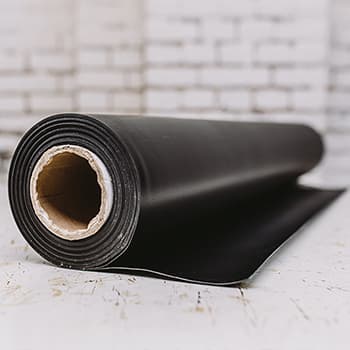
Buitengevelisolatie producten van EKI
Refine your selection:
Selecting multiple choices is possible
What is the best insulation for external walls?
The “best” external wall insulation depends on your specific needs and circumstances. EPS is a popular material due to its excellent insulating properties and relatively low cost.
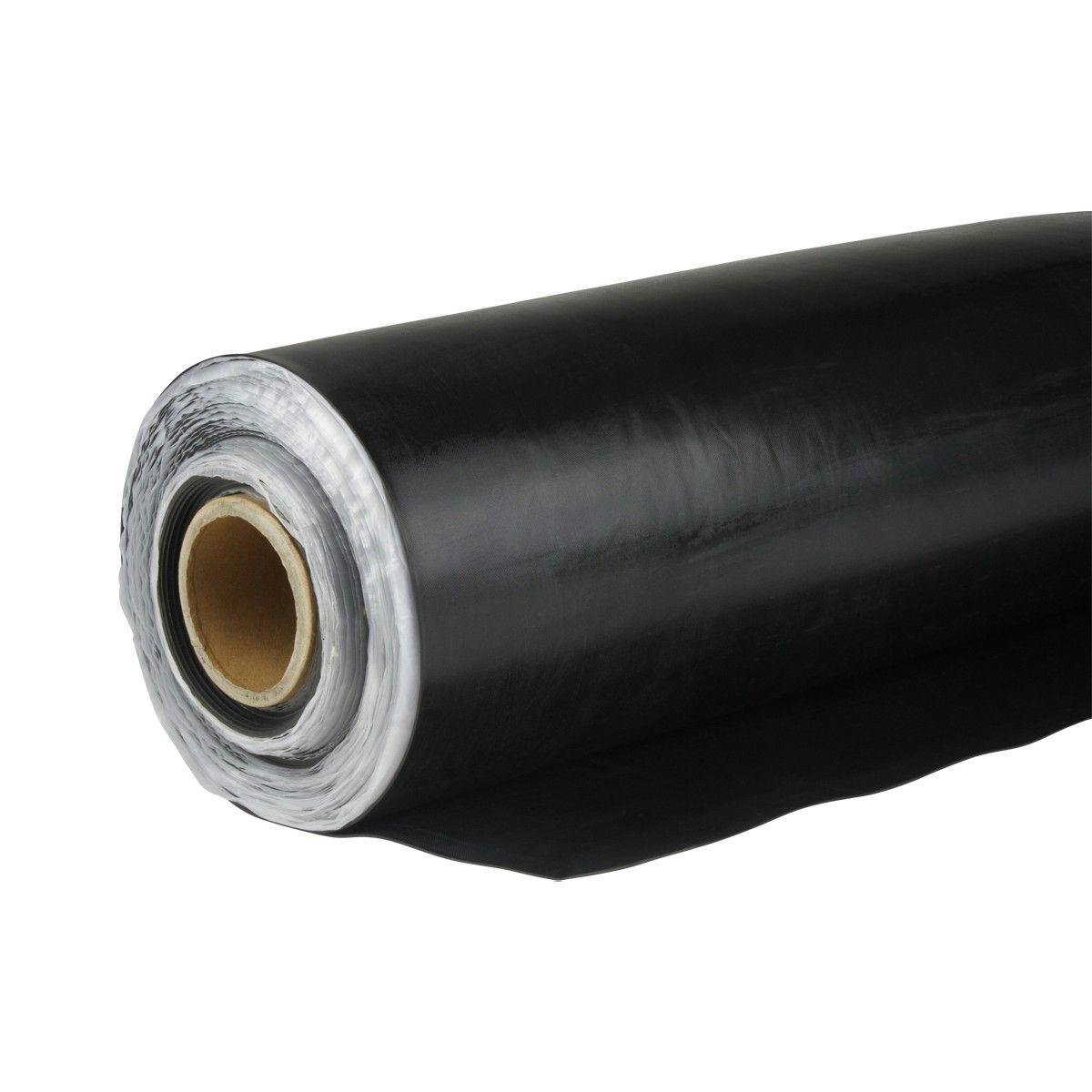
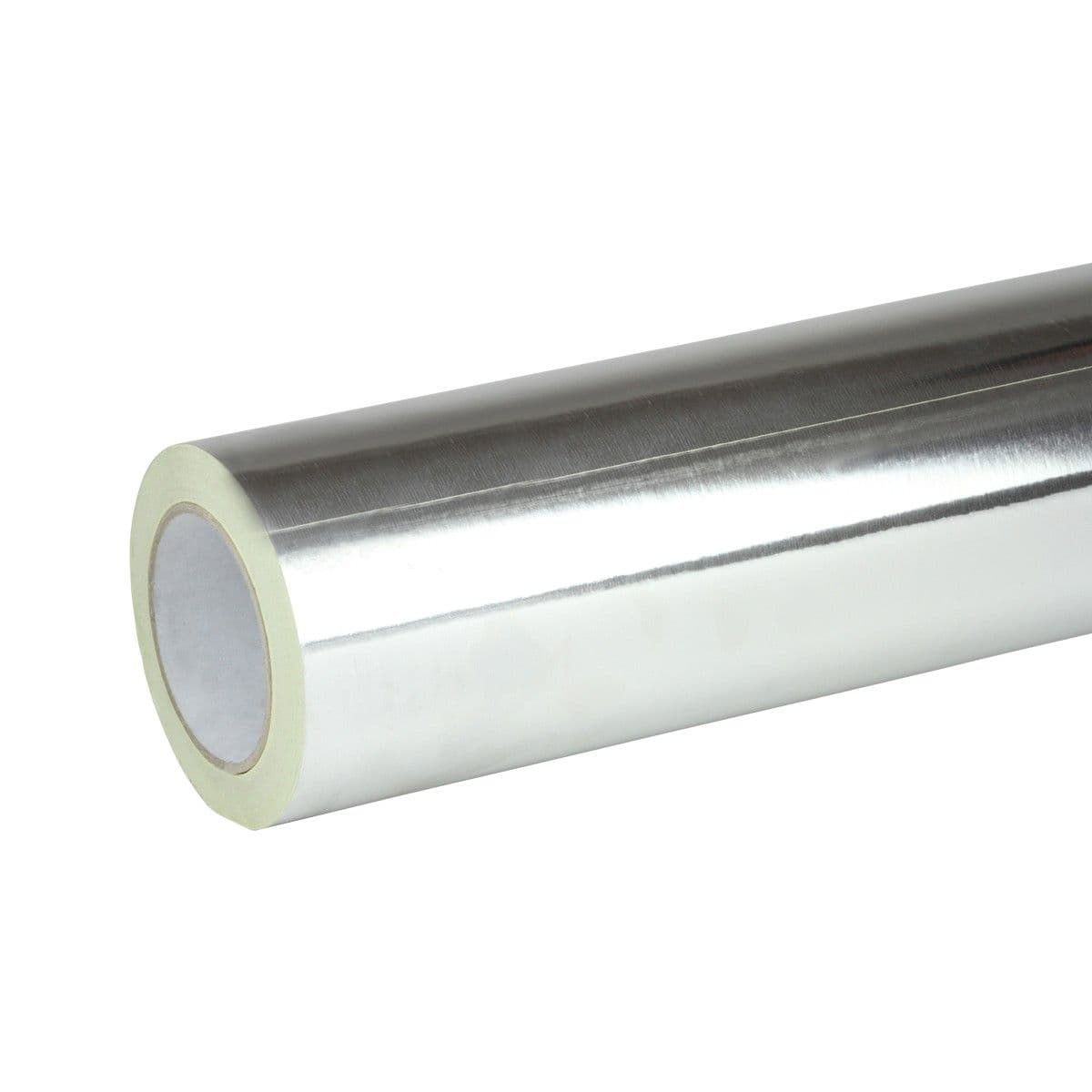
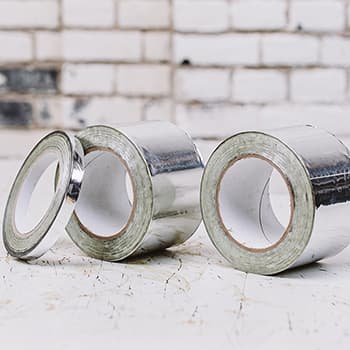
Building foil is often used on walls (wall foil), facades (facade foil), floors (floor foil), or roofs (roof foil), especially in new construction projects. Roof foil is often chosen for its water-resistant and vapor-permeable properties. It helps prevent moisture from entering due to weather conditions such as rain and snow. For insulation purposes, aluminium foil is often selected.
How should external wall insulation be installed?
Installing external wall insulation is typically a job carried out by professionals due to its complexity and the need for specific skills and tools.
The process involves several steps. The facade insulation foil is applied by first cleaning the exterior wall, after which the foil is attached directly using adhesive, tape, or mechanical fasteners. The foil is applied tightly and without wrinkles, with overlapping seams sealed to create an airtight and waterproof barrier.
Afterward, a finishing material such as cladding or plaster can be applied to provide protection and an aesthetic appearance.
What does external wall insulation cost?
The cost of external wall insulation varies significantly depending on factors such as the size and type of the building, the chosen insulation material, and labor costs. On average, costs range between €100 and €150 per square meter.
Although this may seem high initially, external wall insulation can result in substantial energy savings in the long term.
Applying external wall insulation is a smart investment that can improve energy efficiency, increase comfort, and even raise the value of your home. With the right information and guidance, you can choose an insulation system that perfectly fits your needs and budget.
The result? A more comfortable, energy-efficient home that is ready for the future.