Cellular rubber vs foam rubber (PU/PE foam): the difference
Cellular rubber, PU foam, and PE foam are often collectively labeled as 'foam rubber' or 'foam'. Yet they are technically different materials with other properties and applications. On this page, we list the differences and help you make the right choice for your application.

On this page:
In short
Cellular rubber is an elastomer made from rubber materials such as EPDM, neoprene, NBR, or NR. PE foam and PU foam, on the other hand, are plastic-based foams. The main differences lie in their cell structure and mechanical properties.
Cellular rubber retains its shape well, even after prolonged or repeated compression. This makes it particularly suitable for technical seals and applications where the material is subjected to frequent pressure. PE foam typically has a closed-cell structure, is water-resistant, and is commonly used for packaging, protection, and insulation. However, it generally recovers less effectively than cellular rubber after repeated compression. PU foam typically has an open-cell structure and is soft and flexible. It allows air and moisture to pass through, making it suitable for applications such as cushioning, packaging, and padding.
The best material for your application depends largely on how frequently and for how long it is subjected to pressure. Below, we compare the key properties of each material and help you choose the right option step by step.
Properties of cellular rubber and foam rubber
What is cellular rubber?
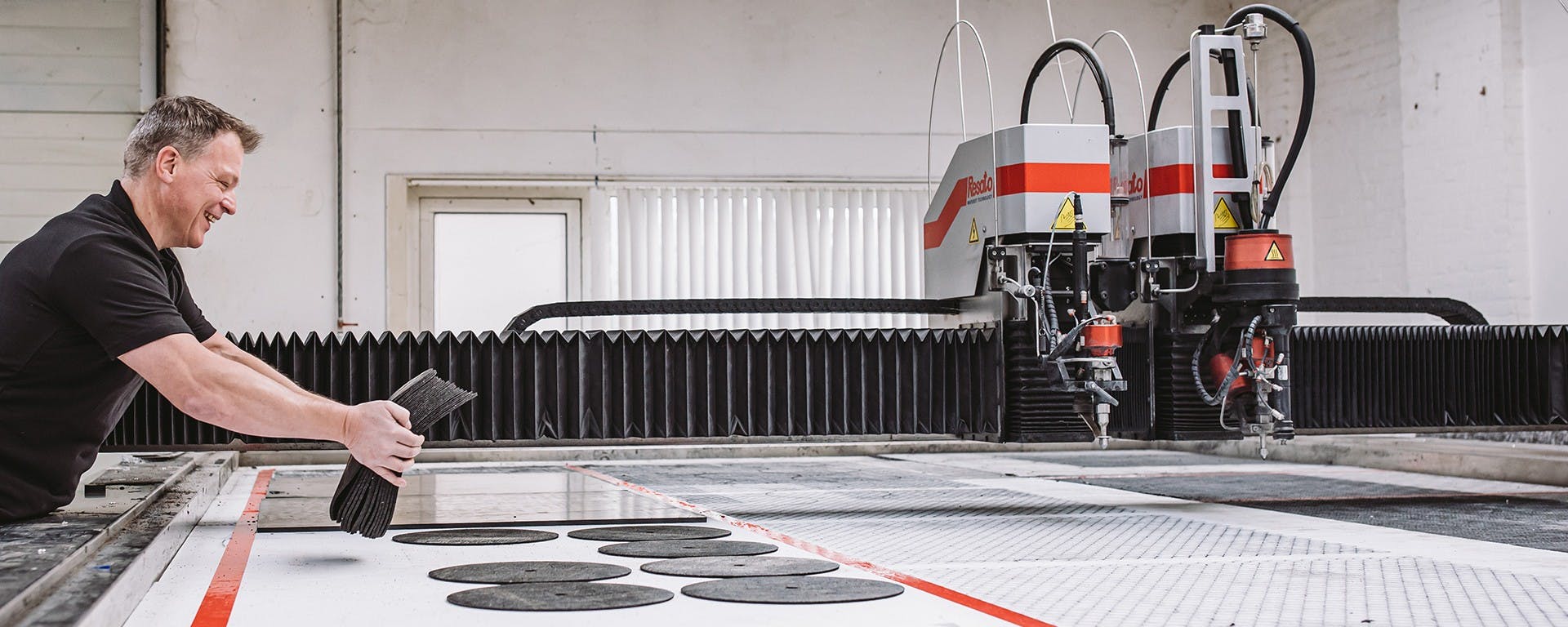
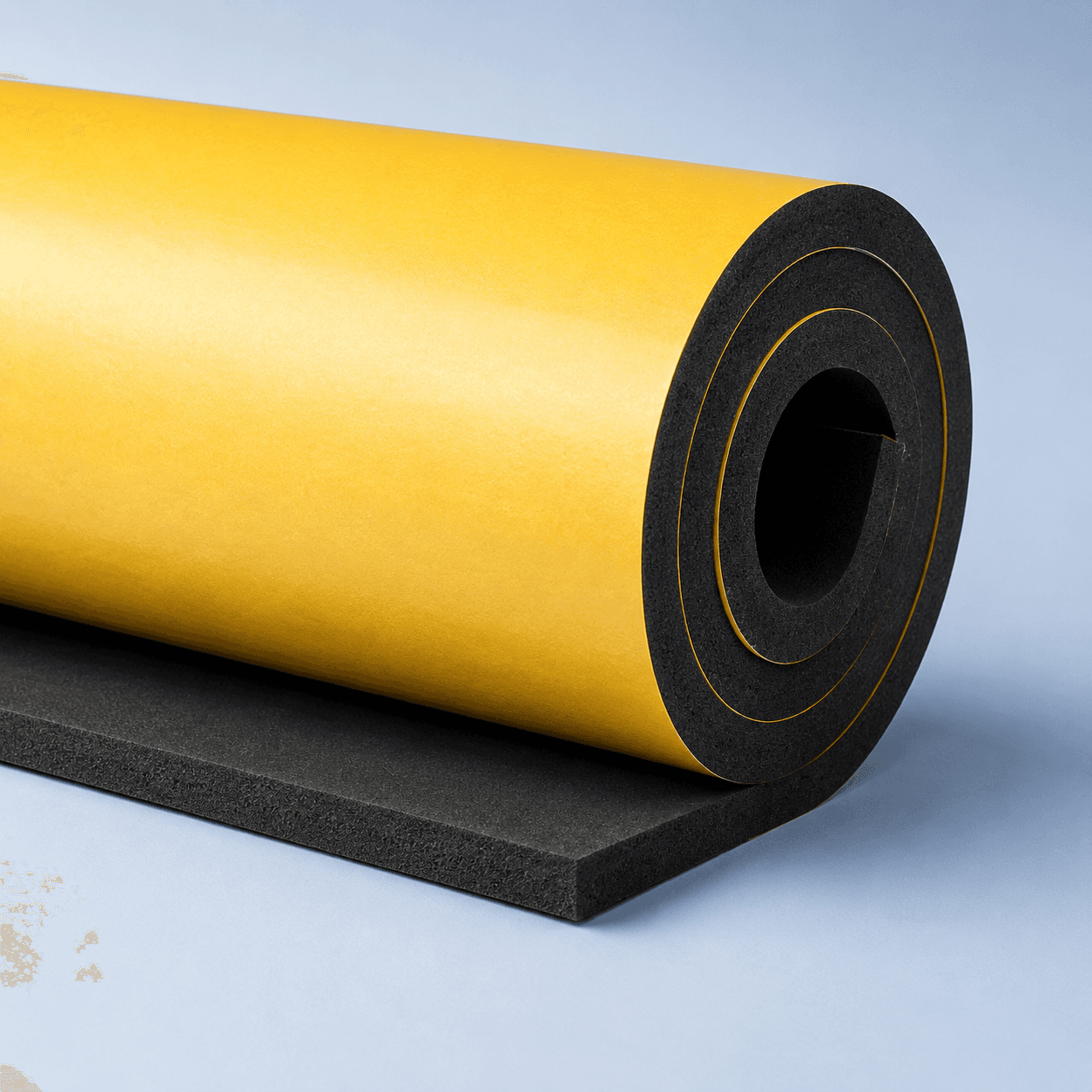
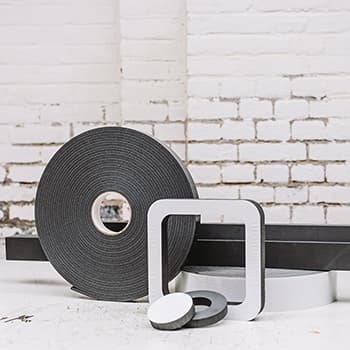
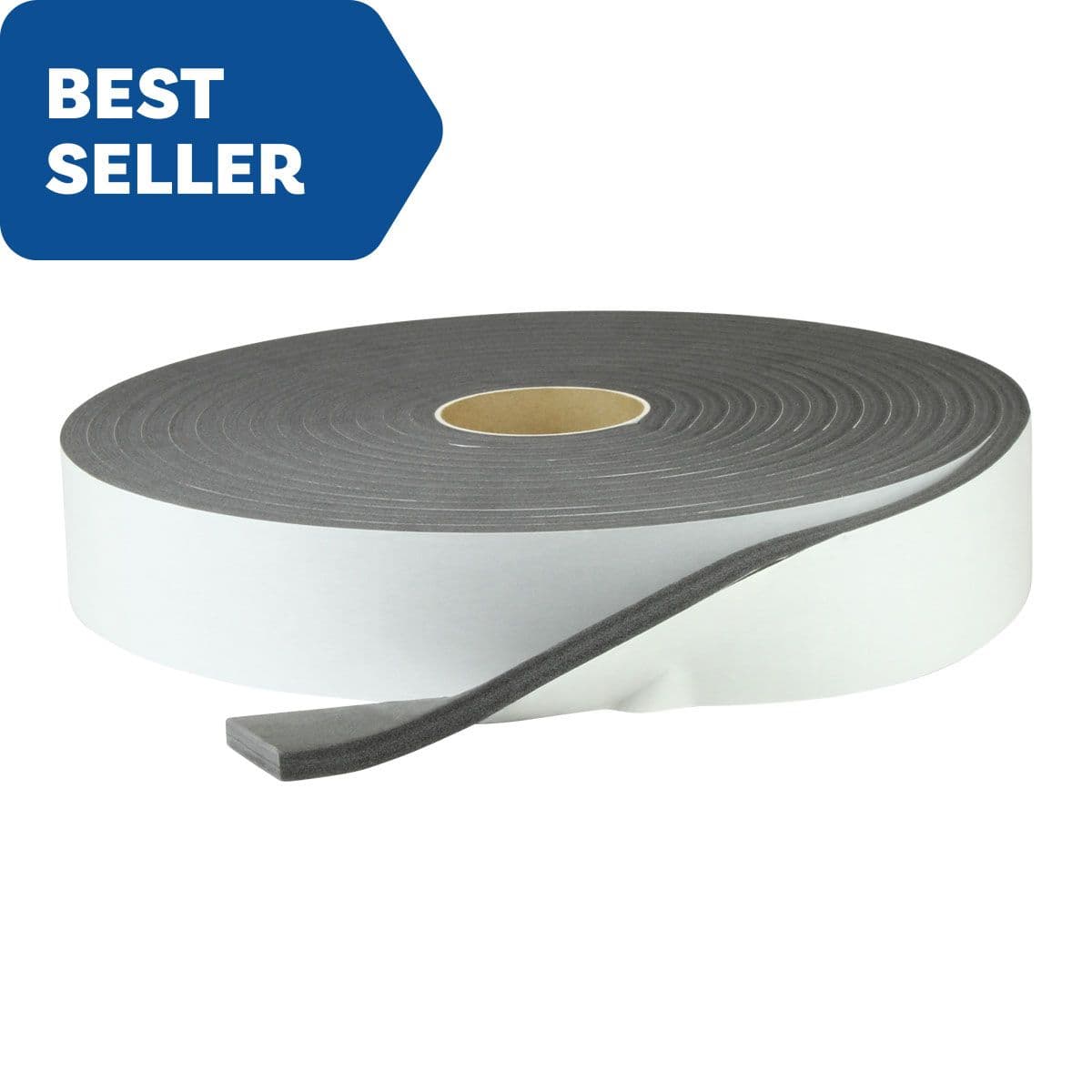
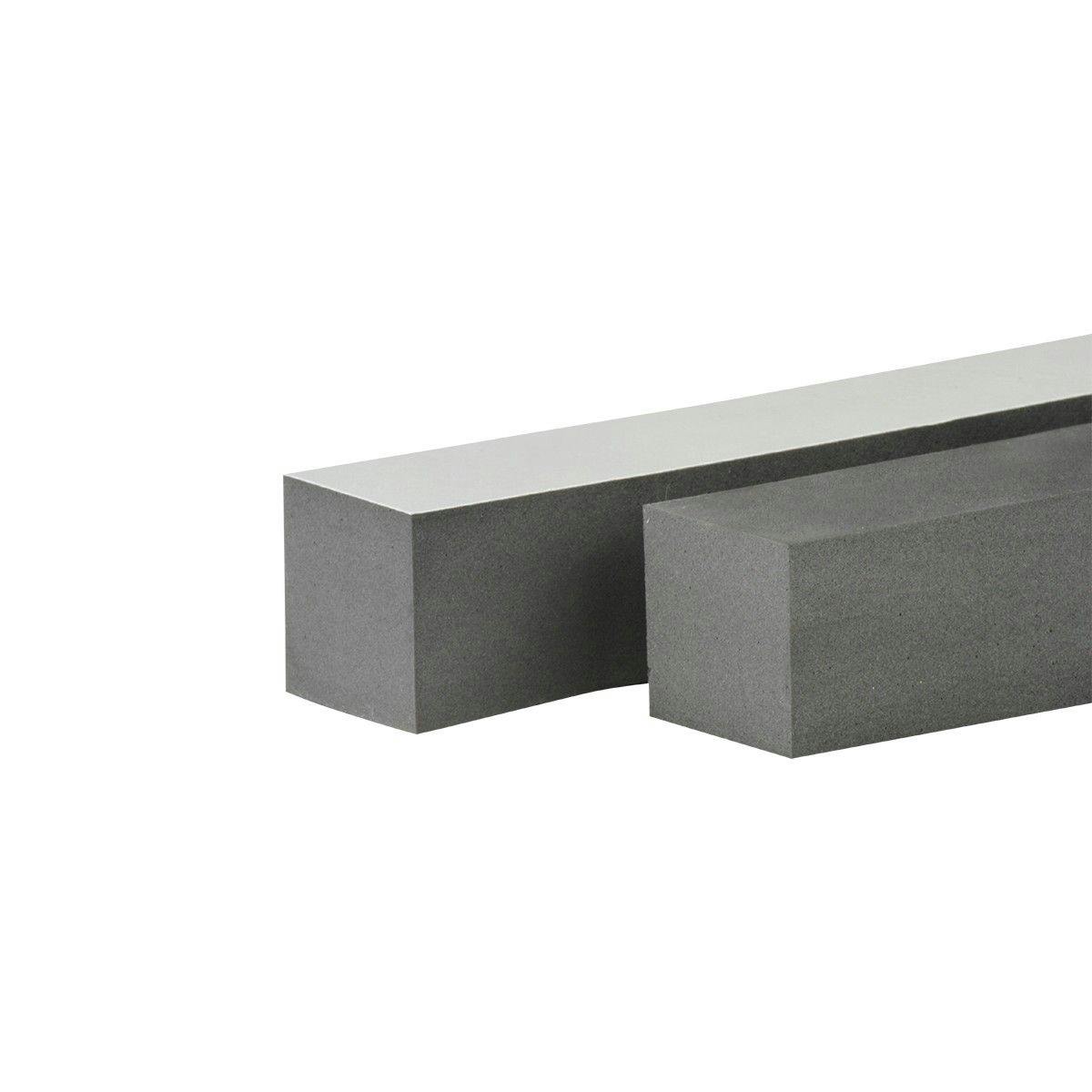
Cellular rubber is foamed rubber with a fine cell structure. The material is elastic and rebounds well after being pressed. This makes it suitable for technical applications where the material is regularly or continuously compressed. Cellular rubber can be made from various types of rubber. EKI supplies, among others, EPDM cellular rubber, neoprene, NBR, and NR. Cellular rubber is available as sheets, tapes, blocks, and rings and can be customized for many applications.
What is PE foam?
PE foam, also known as polyethylene foam, is a lightweight plastic foam with a closed-cell structure. This makes it highly water-resistant and suitable for sealing applications where moisture protection is important. PE foam is widely used for packaging, insulation, and protecting products against impact and damage. Its excellent buoyancy also makes it suitable for flotation applications, such as buoyancy aids and life jackets.
What is PU foam?
PU foam, also known as polyurethane foam or foam plastic, has an open-cell structure. The material is soft, lightweight, and easy to compress. Due to the open cells, air and moisture can move through the material. PU foam is therefore less suitable as a water seal but is particularly useful where softness, comfort, or padding matters.
You will find PU foam in mattresses and seat cushions, as packaging foam, and as space-filling foam.
Good to know
Cellular rubber is a rubber (elastomer), while PE and PU foams are plastic foams. This distinction is more important than it seems: rubber is naturally better at bouncing back repeatedly after compression, while plastic foam shows signs of fatigue sooner. For single or short-term loads, this difference often matters little in practice.
Cellular rubber and foam rubber at EKI
Refine your selection:
Selecting multiple choices is possible

When to choose cellular rubber, PE foam, or PU foam?
Choose cellular rubber if...
the material is compressed daily or repeatedly, such as in a draft strip
good rebound is important
you need a long lifespan for use both indoors and outdoors
Choose PE foam if...
you are looking for waterproof, lightweight packaging or insulation material
the material is mainly subjected to short-term or single loads
low weight or buoyancy is important, for example in life vests
Choose PU foam if...
comfort and softness are more important than waterproofing
you mainly use the material indoors
you are looking for a lightweight, inexpensive alternative for short-term cushioning
Rule of thumb
Rule of thumb: Is the material compressed daily or repeatedly and should it last a long time? Then choose cellular rubber. If it's for a single or short-term application such as packaging or insulation, then PE or PU foam is often a fine and cheaper alternative.
Can you use PE foam as a draft strip?
Yes, it is possible in some applications. PE foam has a closed cell structure and can be used for simple seals.
However, be aware; if the strip is compressed daily, for example between a door and frame, cellular rubber is often a more durable solution. Due to its elastic properties, cellular rubber generally rebounds better under repeated loads. For outdoor applications, EPDM cellular rubber is often used because of its good resistance to weather influences and ozone.
What thickness of foam or cellular rubber do you need?
The right thickness depends on the application and how much the material is compressed during use. Not only thickness plays a role but also the hardness and resilience of the chosen material. Some types of cellular rubber are easier to compress than others.
For seals, the space the material must fill is also important. PE foam is especially suitable for seals in joints with little joint movement. Due to its good mechanical properties, cellular rubber is better suited for applications where the material is regularly compressed and needs to rebound.
Are you unsure about the right thickness or material type? Then EKI can advise on which version best suits your application.
What is the difference between open and closed cell structure?
In a closed cell structure, the cells are individually sealed from each other. Therefore, water or air cannot pass through, making the material waterproof. This is seen in PE foam and most types of cellular rubber. In an open cell structure, the cells are connected. Moisture and air can pass through, making the material softer and more comfortable, but not waterproof. This is the case with PU foam.
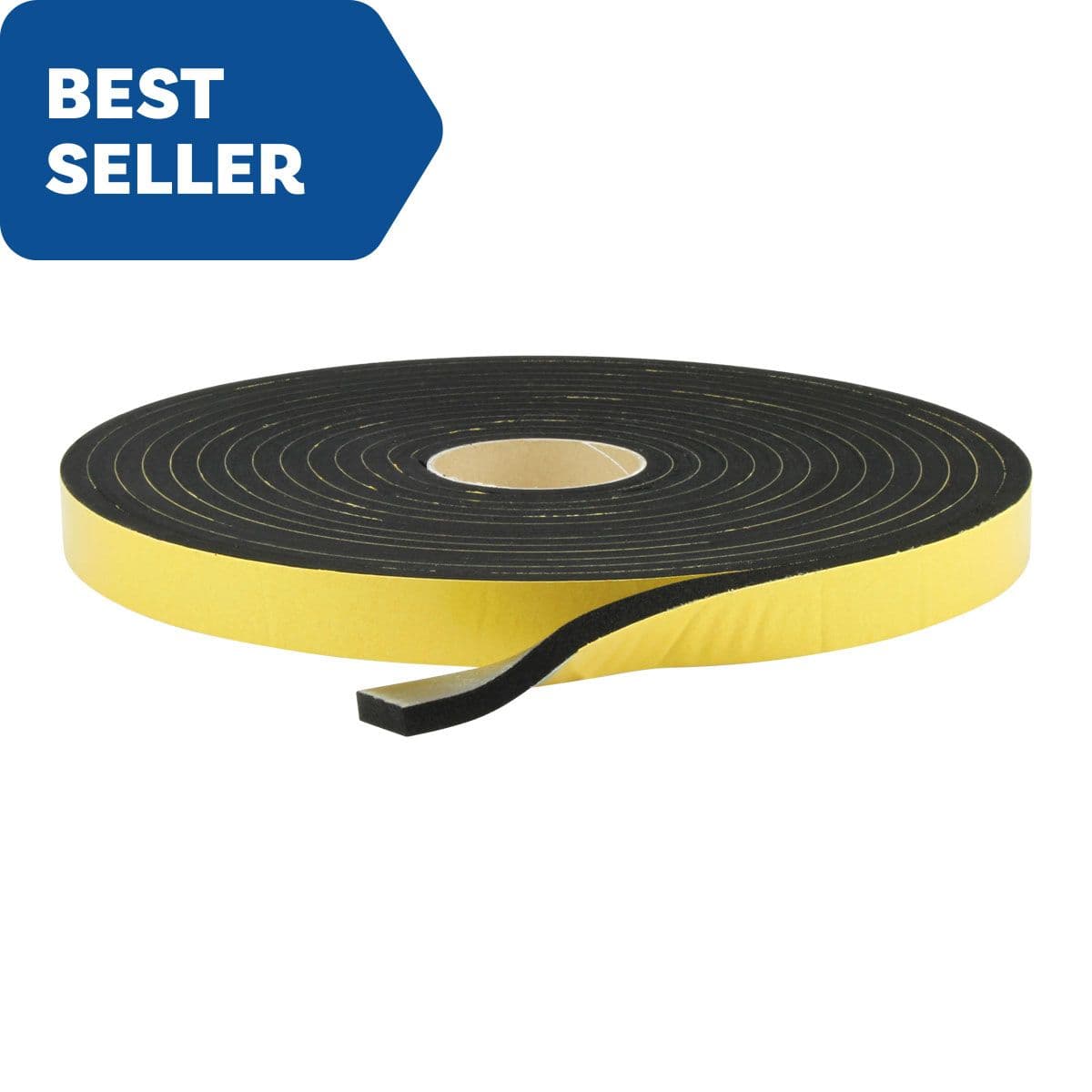
Can cellular rubber or foam be delivered self-adhesive?
Yes. EKI can supply cellular rubber and various types of foam self-adhesive. Depending on the material and version, an adhesive layer on one or both sides is possible. This makes the material easier to install, for example, as a sealing tape, protective strip, or insulation material. Which self-adhesive version is most suitable depends on the material, application, and surface.
In 3 steps to the right material
Step 1. What should the material do?
Consider the load. Will the material be compressed daily or repeatedly? Or is it a one-time application like packaging or cushioning during transport?
Step 2. Rubber or foam?
For repeated, long-term loads, cellular rubber is often the more durable choice. For one-time or short-term use, PE or PU foam is usually more economical and just as suitable.
Step 3. What type of foam or raw material?
Does the material need to be waterproof? If so, choose cellular rubber with a closed cell structure or PE foam. Is comfort more important than waterproofing? Then PU foam is the logical choice.
Conclusion
Cellular rubber, PE foam, and PU foam each have their own properties. Cellular rubber is especially suitable when good rebound and long lifespan are important. PE foam is a good choice for packaging, protection, and insulation, while PU foam is mainly used when softness and flexibility are desired.
Are you unsure which material, thickness, or version you need? Contact us for advice. We are happy to help you choose the right material.