Intern transport en logistiek
Internal transport and logistics involves organizing all material flows that take place within a company. EKI is happy to think along about the best materials for machines and systems within internal transport and logistics, so that tools, machines, and systems last longer and you can work even more efficiently and quickly.

Conveyor Belts
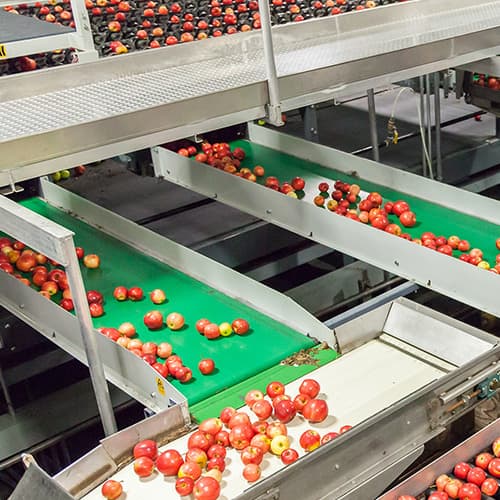
Conveyor belts are usually made of rubber or plastic. Rubber conveyor belts are mainly used in heavy-duty installations in industrial sectors, for transporting goods such as sand, stone, and gravel. Plastic conveyor belts are primarily used in the food industry and distribution centers for transport purposes.
A conveyor belt is usually driven by a motor, which can move the drive roller via a chain, causing the entire conveyor belt to rotate.
To provide additional grip, roller lagging is applied. This is the soft layer on the conveyor belts that ensures proper grip between the drive drum and the belt. Friction material is applied to rollers and drums to reduce slippage. The lagging also protects the conveyor belt, extending its service life.
Sorting Systems
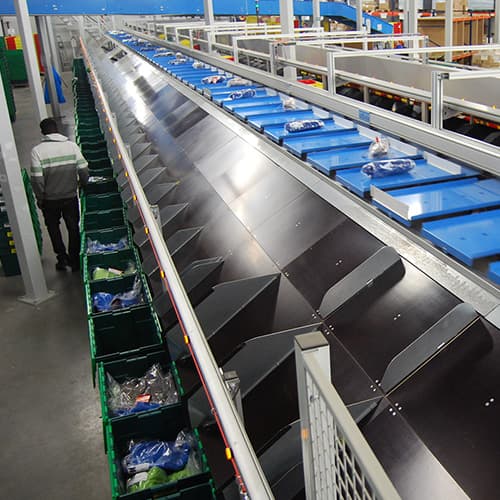
Sorting systems ensure that goods are sorted efficiently and quickly. They come in many types and sizes and are usually designed based on customer requirements. Sorting systems consist of many components, each with its own function, but their main goal is to deliver goods to the final destination without damage.
Foam material is used in the pushers that move packages forward to absorb impact. This reduces the force on the packages. A pusher moves packages from trays, after which the system continues sorting them.
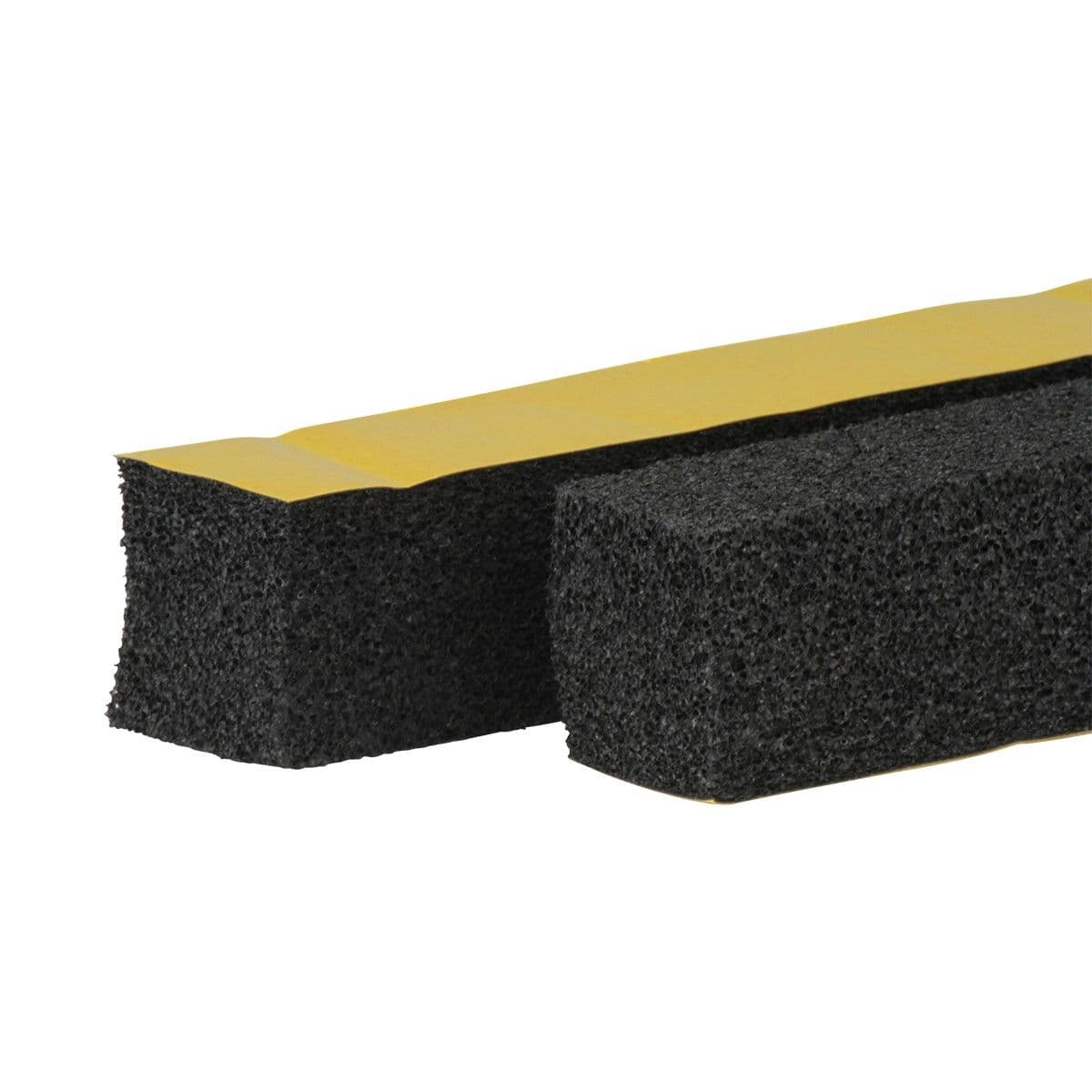
Foam is used as a lining in various components within sorting systems and acts as shock absorption to prevent damage to packages. It also absorbs vibrations and prevents components from getting dirty. As a result, the system wears less quickly and has a longer lifespan.
Robot Automation
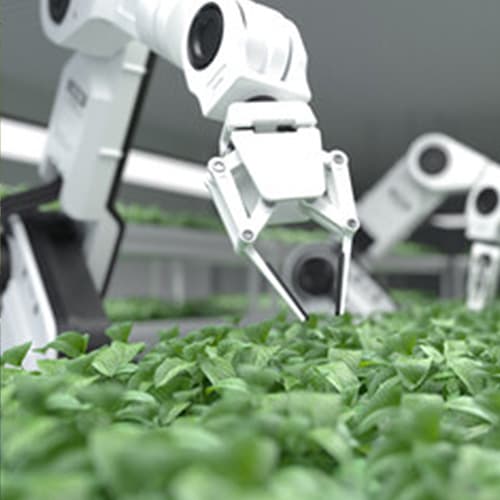
Robot automation involves the use of robots in industrial environments to take over tasks from humans. By automating production processes, efficiency is increased, with the goal of reducing production costs. Robot automation is widely applied in various industries, including internal logistics and the packaging industry.
Pick and Place is a well-known application of robot automation. Robot arms pick up products using grippers, after which the products are placed into packaging. The challenge lies in selecting the most suitable gripper for the task.
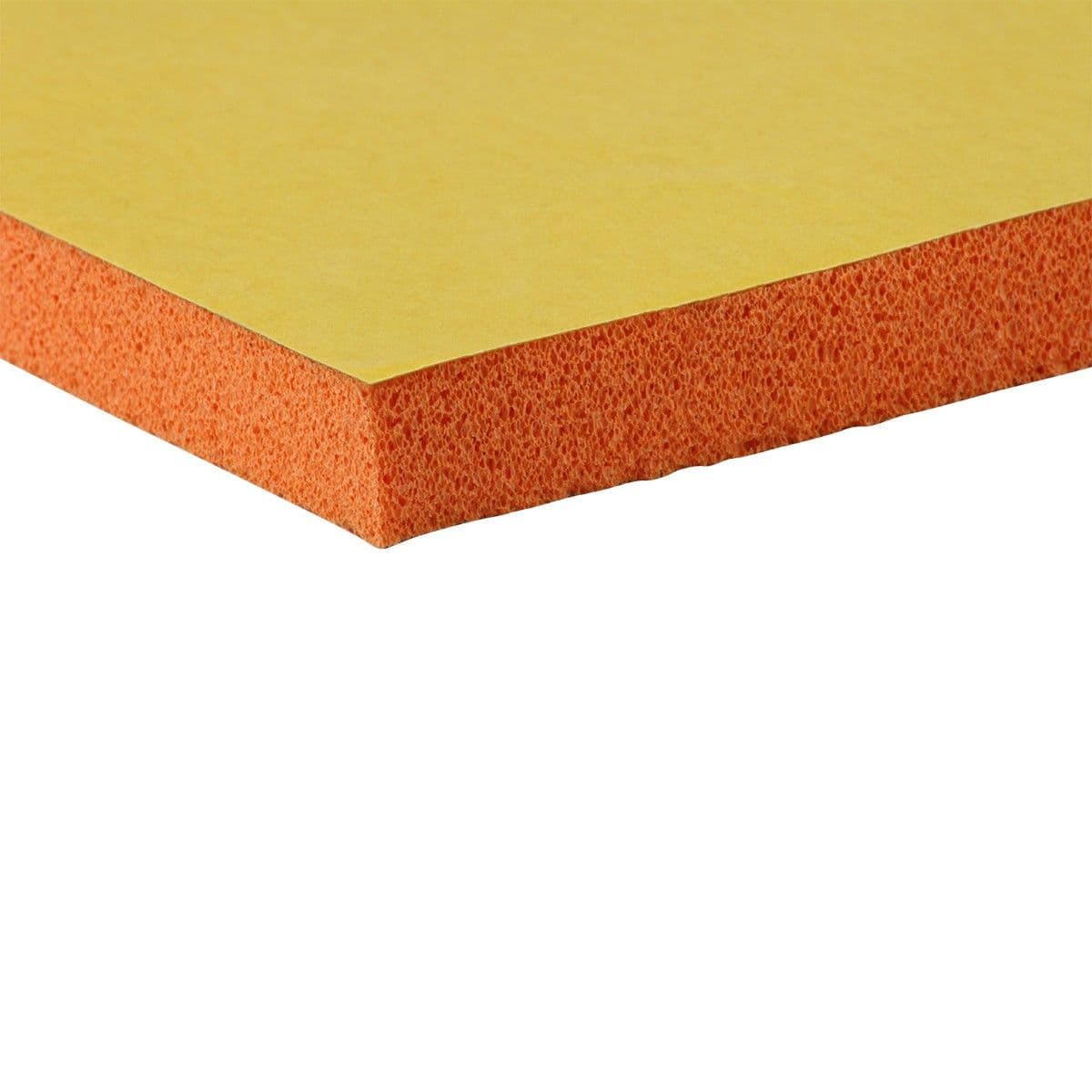
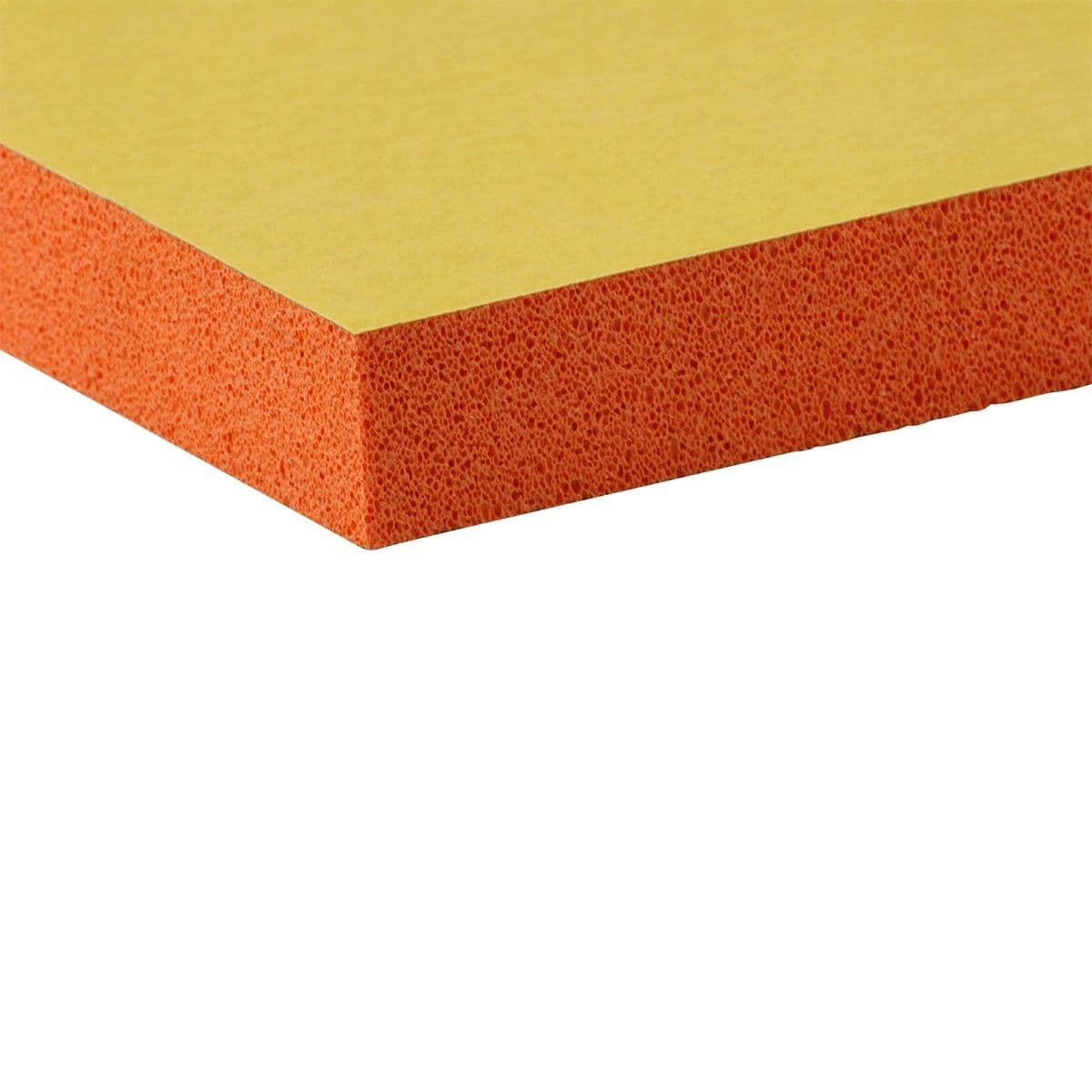
For lightweight objects, suction cups are suitable, while for heavier products, vacuum pads are preferred. These vacuum pads are made from EPDM or NR cellular rubber and are available in round or square shapes, with a cut-out in the center to create the vacuum.
Examples of Pick and Place applications include placing products on or off a conveyor belt, filling boxes or crates, supplying products in an assembly line, and sorting. Other applications include palletizing, bin picking, and machine loading.
Lifting, Hoisting, and Transport Equipment
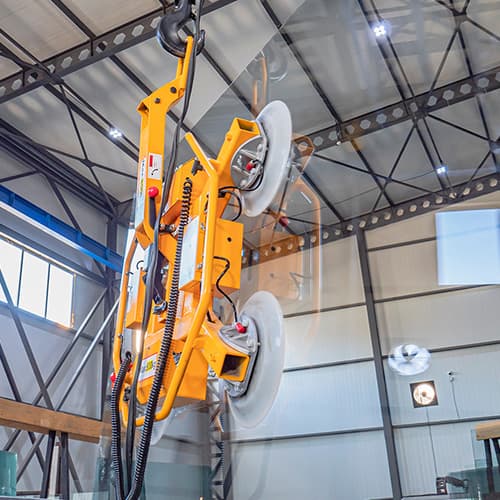
Lifting, hoisting, and transport equipment are used for horizontal and vertical movement of materials. Examples include vacuum lifters, cranes, hoists, and glass lifters. Vacuum lifting units are used to install heavy goods or construction elements at height. Working quickly and accurately at height in compliance with regulations is essential.
Our robust EPDM and NR cellular rubber materials are widely used as vacuum pads to create vacuum. These pads come in round or square shapes, with a central cut-out. We manufacture vacuum pads custom-made for each machine or application based on customer drawings.
Thanks to their excellent mechanical properties and tear resistance, these materials have a long service life and do not need frequent replacement. Their durability ensures that heavy materials can be installed safely, efficiently, and accurately.